

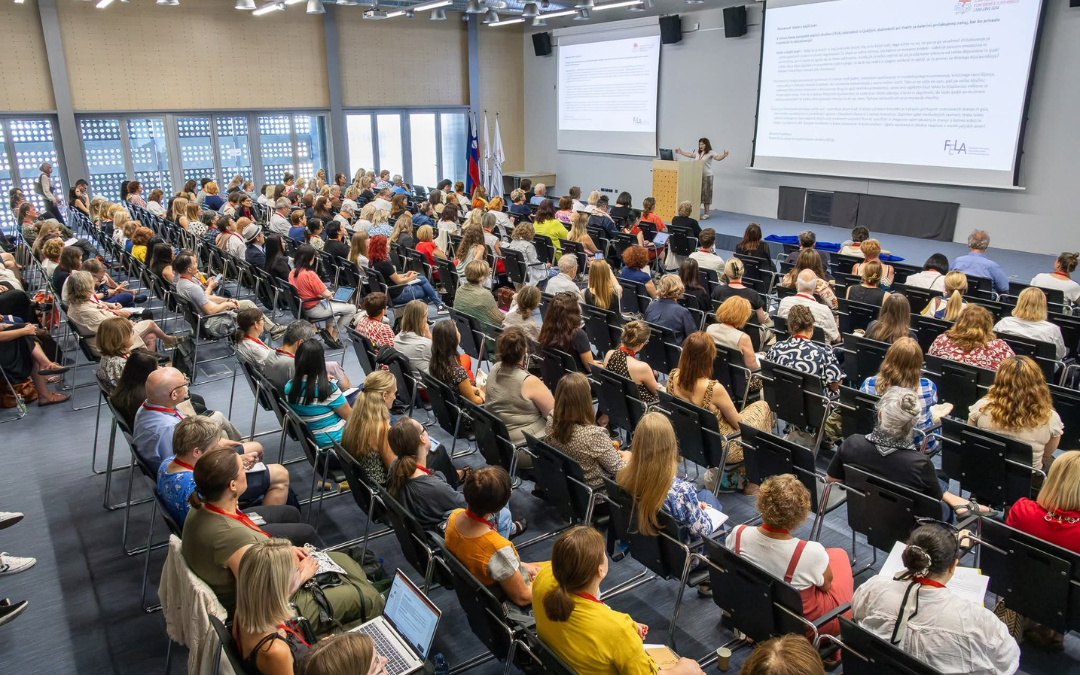
For three days in July, Ljubljana was alive with literacy. The 24th European Conference on Literacy that was named Literacy. The Door to a Better World, was organised jointly by the Federation of European Literacy Associations (FELA) and the Slovenian Reading Badge Society – ZPMS, together with other national and local partners. Researchers, teachers, librarians, authors, publishers and other professionals came together not only from across Europe but from around the world. The discussions, lectures and workshops confirmed that literacy has long meant much more than simply being able to read and write. It is a foundation for social inclusion, critical thinking, intercultural dialogue and lifelong learning.
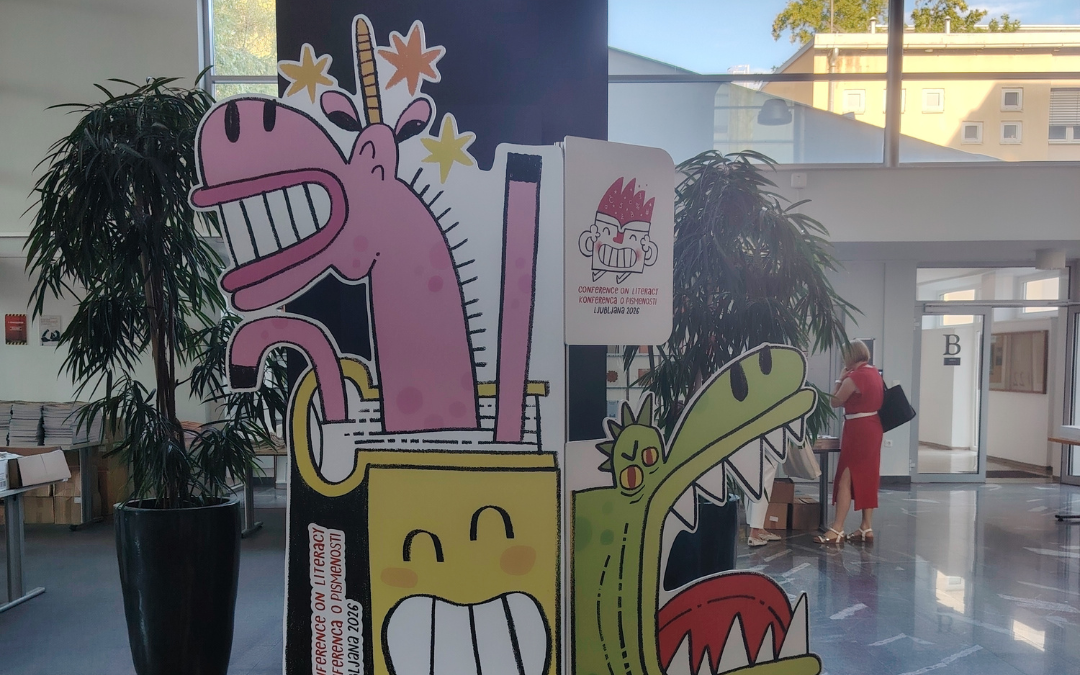
The conference offered a rich programme combining professional and research insights with examples of good practice. The plenary speakers added particular value, each bringing their own perspective to important questions about the future of literacy.
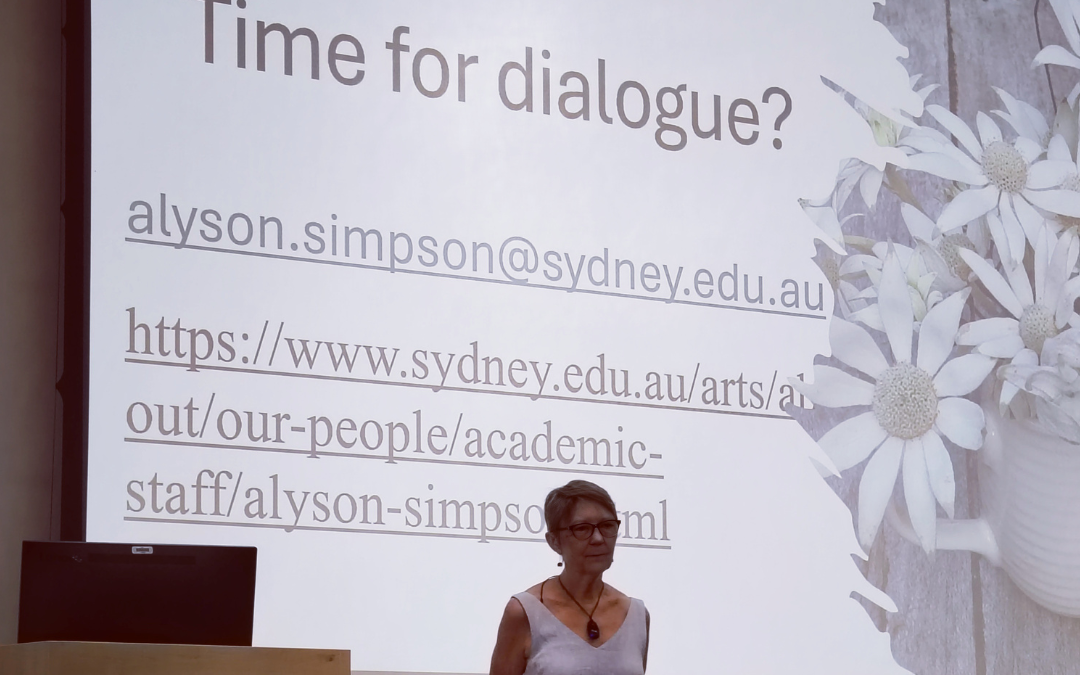
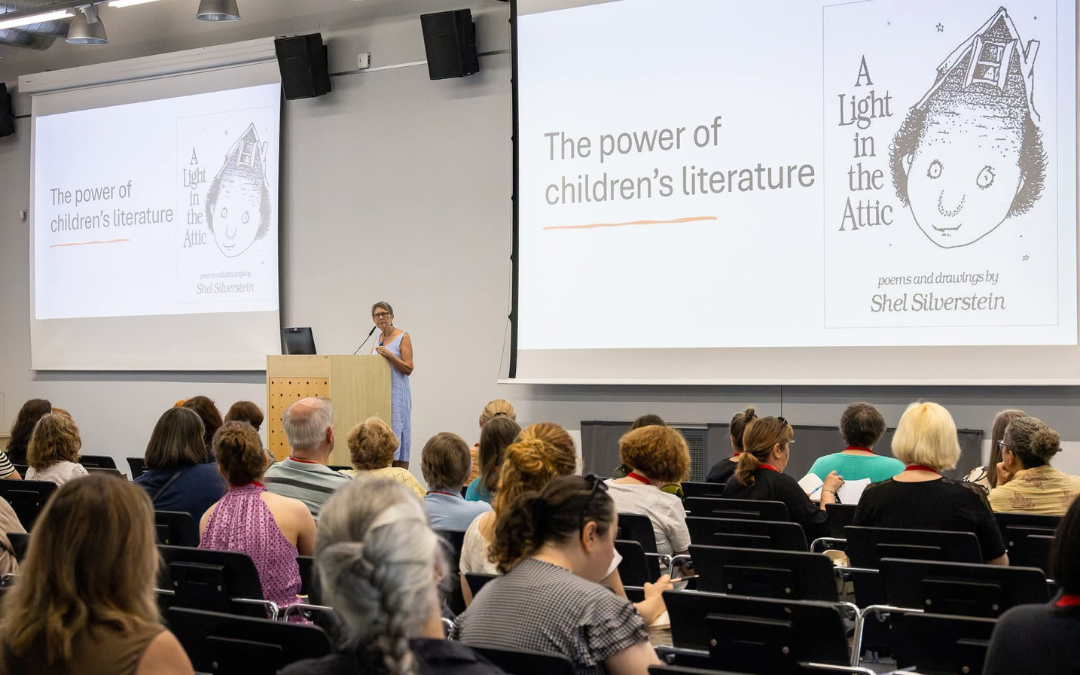
Professor Alyson Simpson from the University of Sydney emphasised that children need more than learning how to read – they need a reason to want to read in the first place. Drawing on her long-running TARDIS research project, she showed how dialogue around high-quality children’s literature can build empathy, foster an understanding of different perspectives and help create lifelong readers. Her message that reading develops above all through relationships between people was one of the most inspiring of the conference.
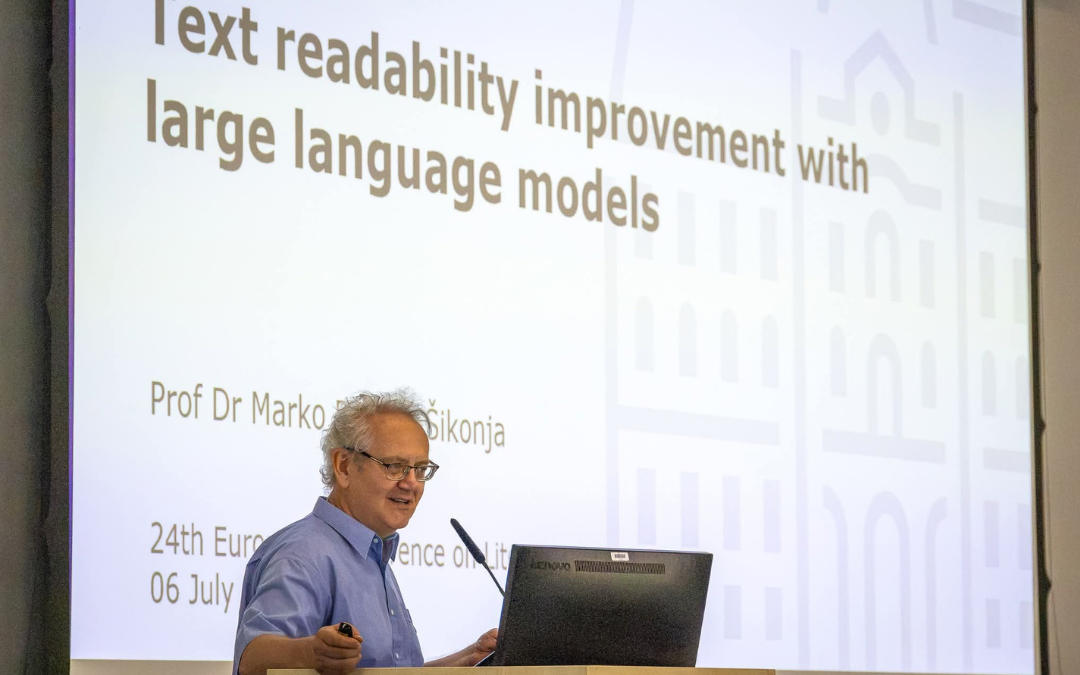
Prof Dr Marko Robnik Šikonja from the Faculty of Computer and Information Science at the University of Ljubljana also gave a presentation that attracted considerable interest. He explored how large language models can improve text readability. Rather than asking whether artificial intelligence will replace humans, he shifted the discussion to how technology can help create clearer, more accessible texts for people with different literacy levels. Such solutions could help reduce barriers for many adult and young readers.
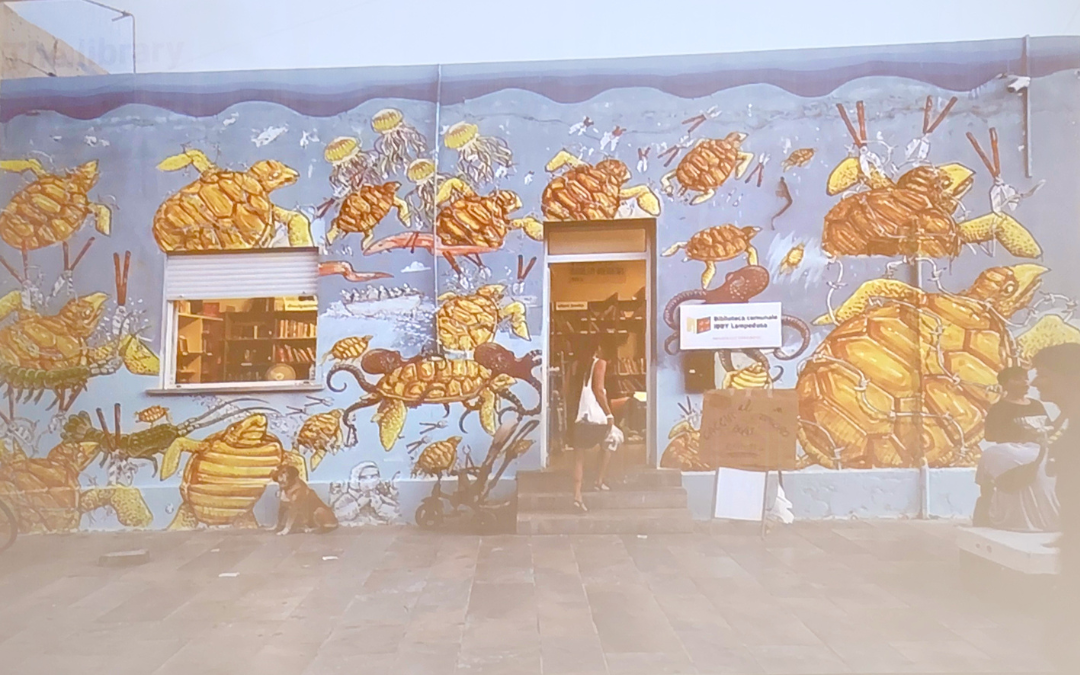
Deborah Soria, the long-standing head of the IBBY library on Lampedusa, gave a particularly moving presentation. Her account of the library of silent books – books without words that transcend linguistic and cultural boundaries – demonstrated how books can provide an ideal means of initial communication between people from very different cultural and linguistic backgrounds and with very different life stories. At a time of mass migration and social tensions, her presentation was a reminder that stories can build bridges where politics often cannot.
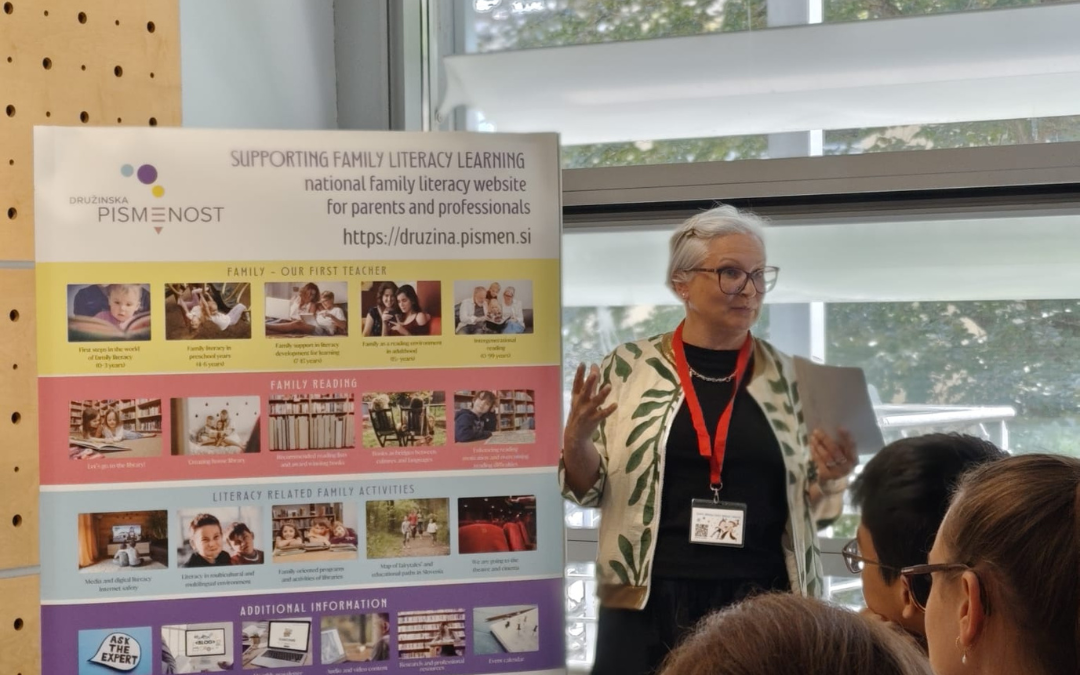
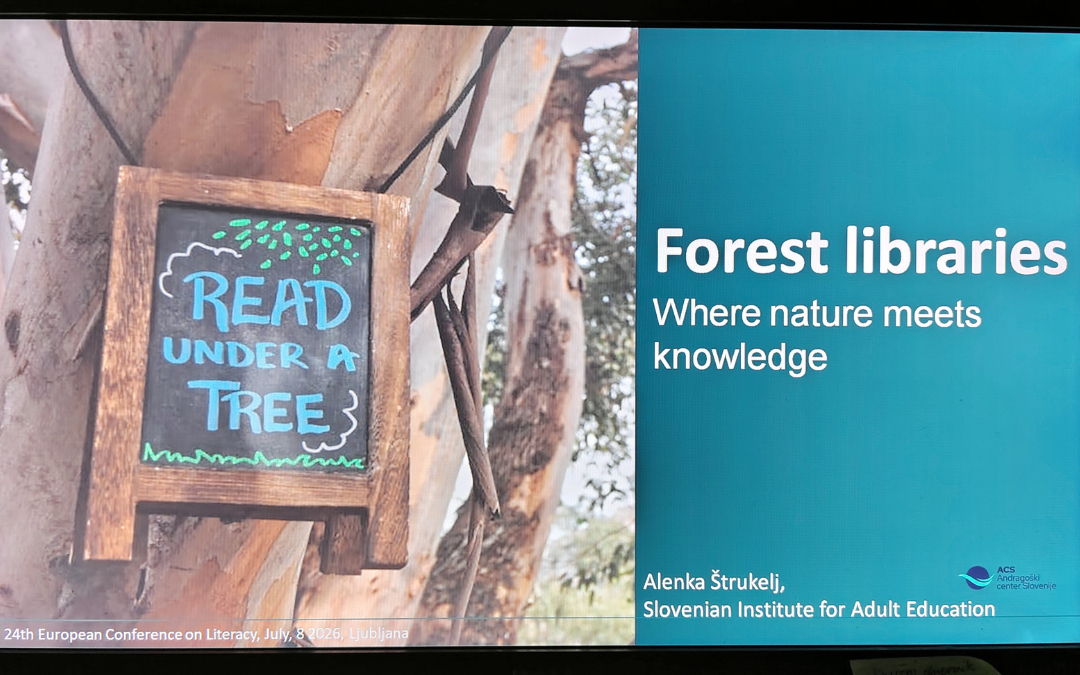
A colleague and I from the SIAE also presented our work at the conference. I introduced two examples of reading promotion in Slovenia: the website on family literacy and the Reading in Forest Libraries initiative. Both demonstrate how high-quality resources and innovative approaches can bring reading closer to families and take it beyond conventional settings into the natural environment. The Family Literacy portal brings together professionally reviewed content on reading development, language skills and reading culture. It also offers practical advice, recommendations for quality reading, video and audio content and activity ideas through which families can strengthen reading and other literacies in their everyday lives.
The Reading in Forest Libraries project, which brings together the Slovenian Forest Service, the Tourist Association of Slovenia, the SIAE and the Slovenian Forestry Institute, transforms forests into shared reading spaces for one day each year. The success of the initiative has confirmed that reading together in nature appeals to people of all generations, and it has become a regular part of the National Month of Shared Reading.
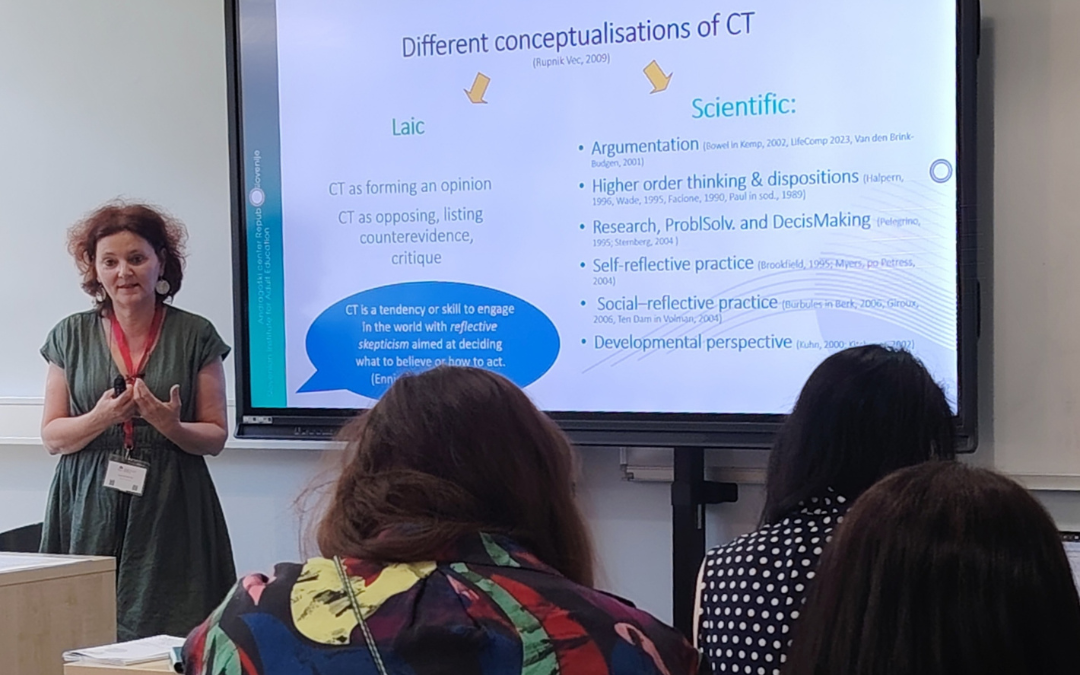
Dr Tanja Rupnik Vec presented a formative assessment model for developing argumentation skills. Her starting point was the understanding that the ability to substantiate claims, evaluate arguments and think critically is one of the key components of contemporary literacy. She presented a multi-stage model that enables both young learners and adults to develop their argumentation skills gradually – from self-assessing their prior knowledge and setting learning goals to peer feedback and reflection on their own progress. Her presentation showed that developing argumentation skills matters not only for individual school subjects but also for strengthening digital, health, scientific and civic literacy.
The conference programme was both rich and engaging. It was almost impossible to attend all the presentations that interested us. Perhaps the greatest added value of the conference was the sense that a community of people around the world still believes in the power of literacy. At a time of rapid technological change, artificial intelligence and growing social inequalities, one shared conviction remains clear: reading, understanding, critical thinking and the ability to communicate have not lost their importance. Quite the opposite – they are becoming more important than ever.
We left Ljubljana full of new ideas, new connections and inspiration for our future work. It felt as though the three-day conference had ended almost too soon. If the atmosphere at the next European Conference on Literacy, to be held in Iceland in 2028, is anything like what we experienced in Ljubljana, we are already very much looking forward to it.
Alenka Štrukelj (alenka.strukelj@acs.si), SIAE