

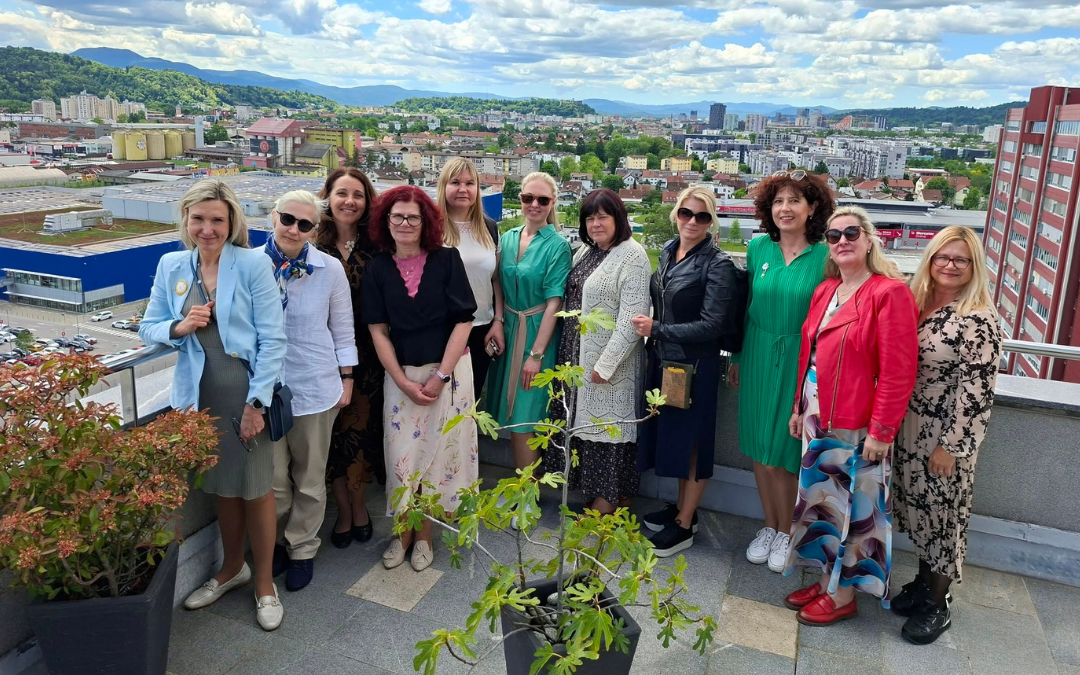
Adult education professionals from Estonia visited Slovenia to explore how lifelong learning is promoted and how adults are encouraged to take part in learning.
From 19 to 23 May, the Slovenian Institute for Adult Education (SIAE) hosted a study visit for seven adult education professionals from Estonia. The visit was organised under the Erasmus+ programme at the initiative of ANDRAS, Estonia’s national organisation for the promotion and development of adult education.
Its purpose was to showcase Slovenian approaches to raising awareness of lifelong learning. Throughout the programme, the visitors discovered innovative learning environments, examples of community engagement and successful collaboration between stakeholders at national and local level.
Although Slovenia and Estonia are geographically far apart, they share many of the same challenges: encouraging more adults to participate in learning, reaching vulnerable groups and creating an environment in which learning becomes a natural part of everyday life. The opportunity to compare different approaches and exchange experiences openly therefore became one of the central themes of the visit.
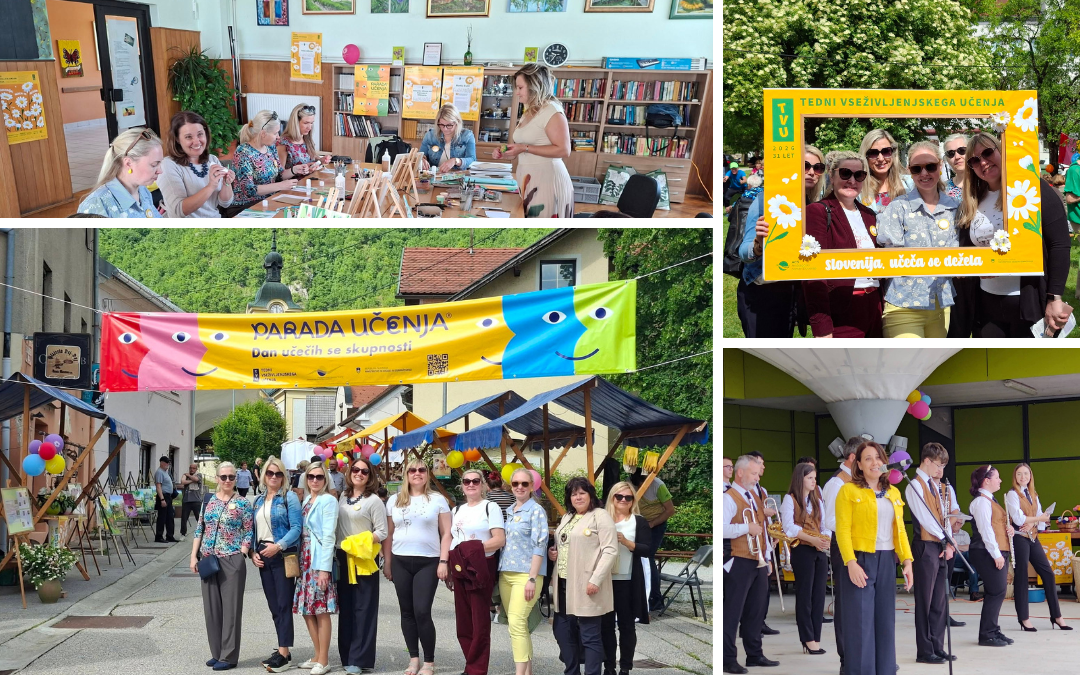
Among the highlights of the visit for the Estonian guests were the Lifelong Learning Weeks (LLW) campaign and the Learning Parade. For many years, these nationwide initiatives have brought together education providers, associations, municipalities, libraries and individuals in a shared celebration of learning. On 20 May, the group travelled to the Štajerska region, where they experienced the Learning Parade in action.
At the Learning Parade in Slovenska Bistrica, the visitors experienced how a local community can bring lifelong learning to life through creativity, dialogue and intergenerational cooperation. They joined workshops alongside local participants and discovered practical knowledge and skills that enrich everyday community life.
The Learning Parade in Radeče offered another inspiring example of how strong local partnerships can promote lifelong learning. Activities at the exhibition stands, followed by the closing event in the town square, demonstrated how collaboration, the exchange of experiences and shared creativity can bring community initiatives to life.
The visit showed the Estonian guests how even smaller communities can create vibrant spaces for people of all generations to meet, learn and collaborate.
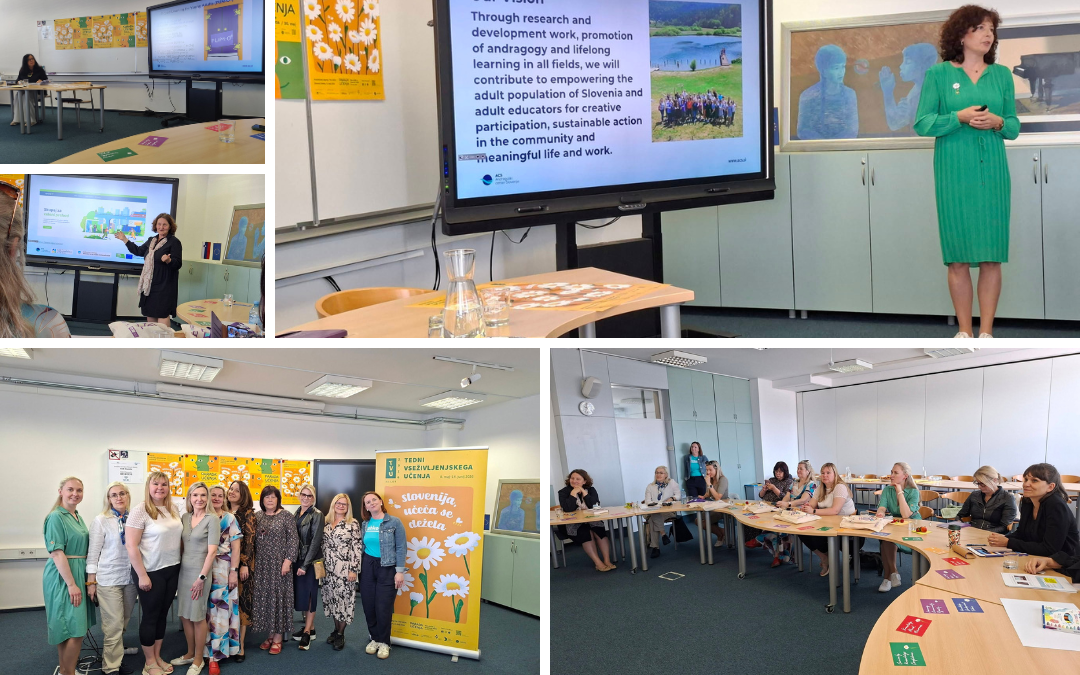
At the SIAE, the group also learned about the development of study circles, the PLYA programme, national lifelong learning campaigns and other initiatives designed to engage adults who are less likely to take part in education.
One participant observed that Slovenia’s approach to raising awareness of lifelong learning offers valuable inspiration for Estonia. She noted that some of the ideas now used in Estonia’s national awareness-raising campaigns had originally been inspired by Slovenian practice.
The programme also included a visit to the Cene Štupar Public Institution – CILJ, where the group learned how formal education programmes, Slovenian language courses and immigrant integration are combined with guidance and personalised support for learners.
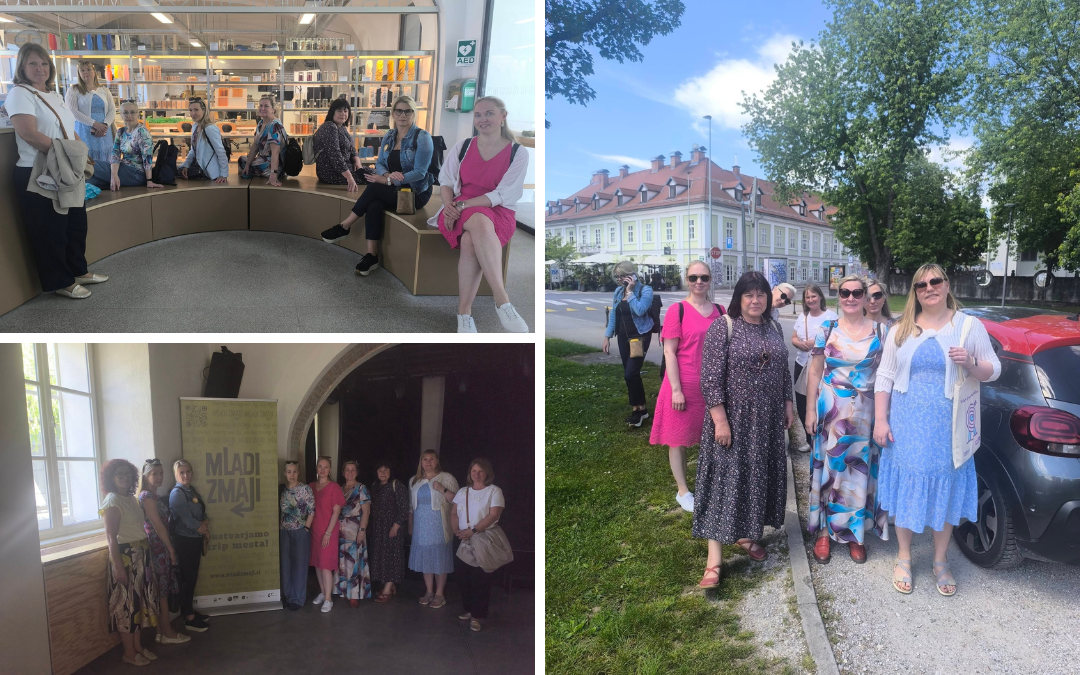
The group also visited the Centre Rog, where they explored how contemporary creative spaces can inspire the development of new knowledge and skills. At the BAZA, Ljubljana Youth Centre, they exchanged ideas on how to encourage greater youth participation in non-formal learning and community life.
The visit reaffirmed the value of international cooperation in adult education. In addition to professional exchange, it generated new ideas, strengthened partnerships and showed that many of today’s challenges are best addressed through collaboration. Slovenian experience continues to attract interest across Europe, while exchanges like these help build a more inclusive culture of lifelong learning.
Urška Bittner Pipan, MSc (urska.bittner.pipan@acs.si), SIAE