


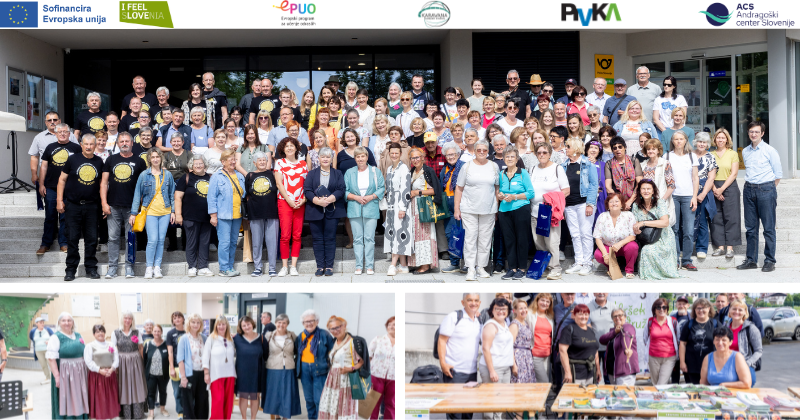
The Study Circle Caravan once again showed that we learn best when we learn together – as a community, through shared experience and the exchange of ideas.
The first Study Circle Caravan took place in 2002 and has since been followed by twelve more. The last Caravan was held in Ormož in 2022, while this year’s event, following a break of several years, was hosted by Pivka. As the Caravan does not have a stable source of funding, it cannot be organised on a regular basis. This year’s event was made possible through EU funding under the EAAL 2026–2027 project.
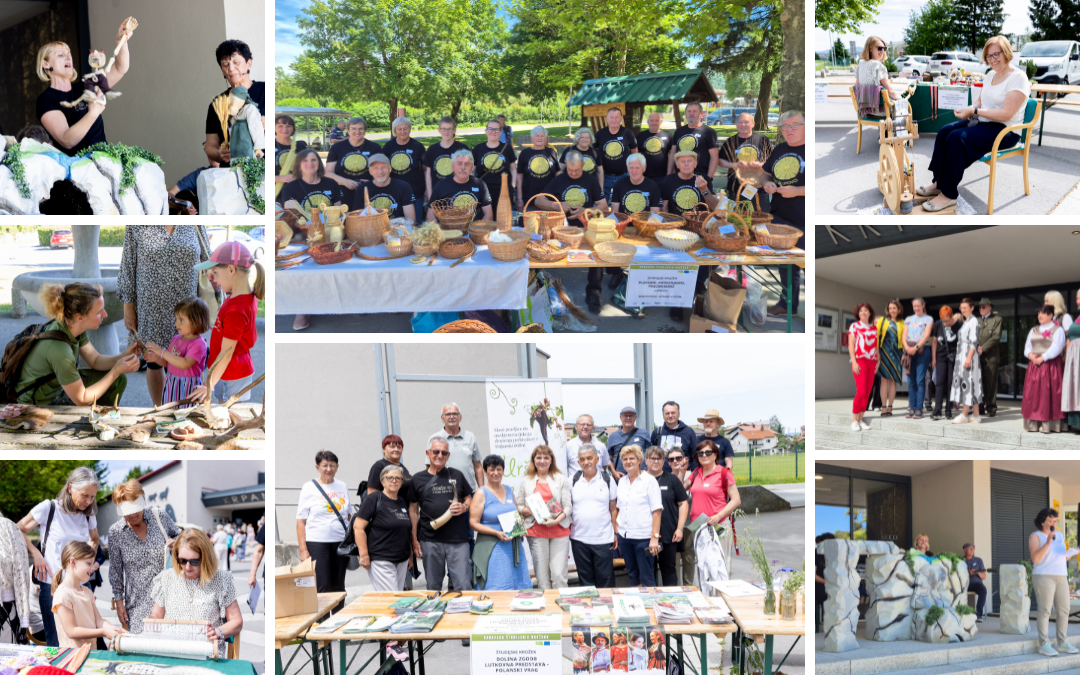
What exactly is the Study Circle Caravan? Although the name suggests a travelling showcase of good practice in study circles, it is much more than that. It brings together study circle mentors and participants to learn from one another, celebrate their achievements, knowledge, skills and creativity, as well as the innovative spirit that emerges through their work. Above all, it demonstrates the transformative potential of collaborative, dialogue-based, problem-centred and community-oriented learning. Held in a public space, the Caravan invites local residents and passers-by to discover the richness of study circles, while offering adult education professionals a compelling example of non-formal learning in practice.
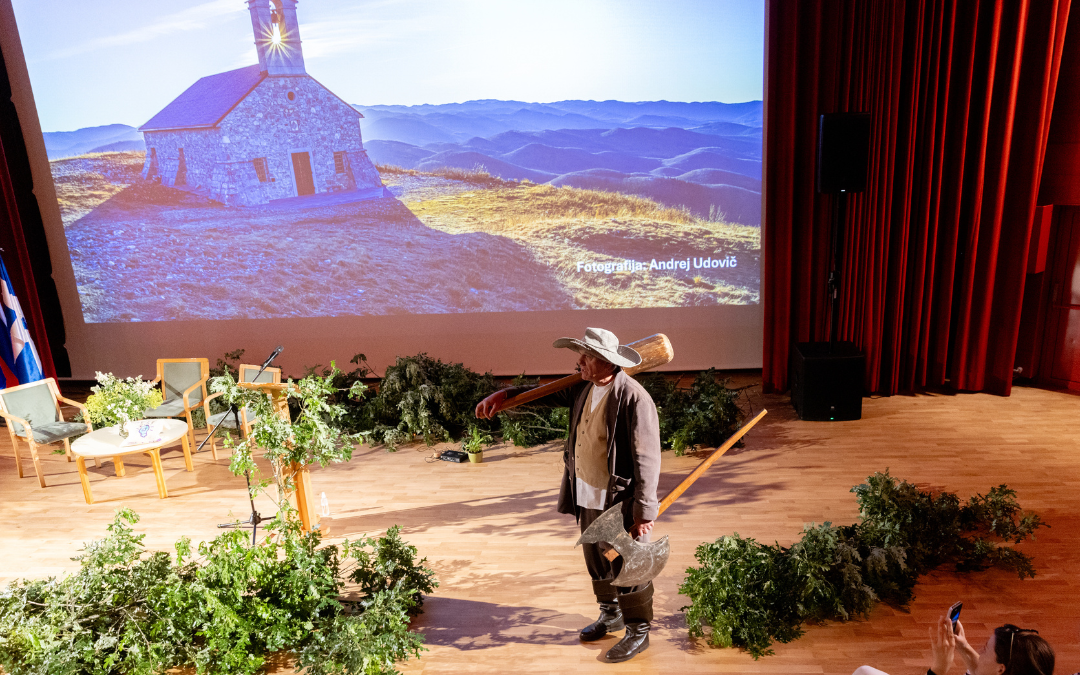
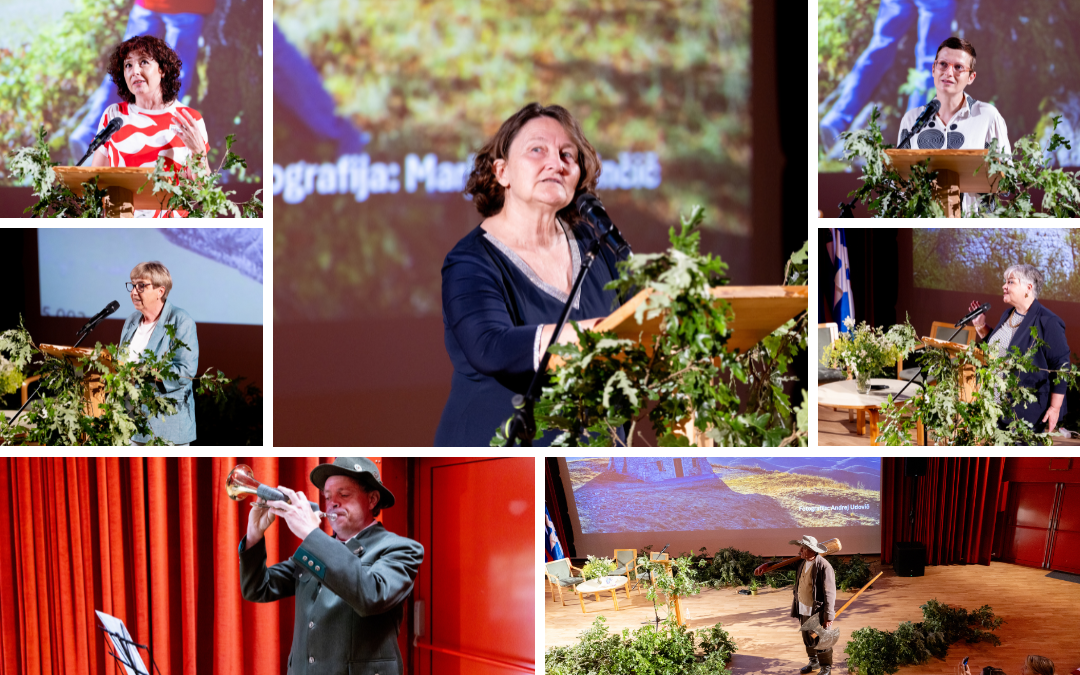
Each Study Circle Caravan is shaped by its host community, making every edition unique. Local study circles have the opportunity to present their work, introduce their community and showcase the area’s natural and cultural heritage. This year, the spotlight fell on the Upper Pivka region. Visitors were welcomed by Martin Krpan, Slovenia’s legendary literary hero, preparing to set off with his faithful mare across the Javornik Hills on his journey to Vienna. The stage, decorated with locally gathered branches and woodland greenery, reflected the region’s rich forest landscape. Living in close connection with nature – and alongside large carnivores – has long been part of the local way of life, providing a fitting backdrop to the day’s programme. As a gesture of appreciation, all mentors and participants were invited to visit the DINA Pivka – Centre of Large Carnivores free of charge.
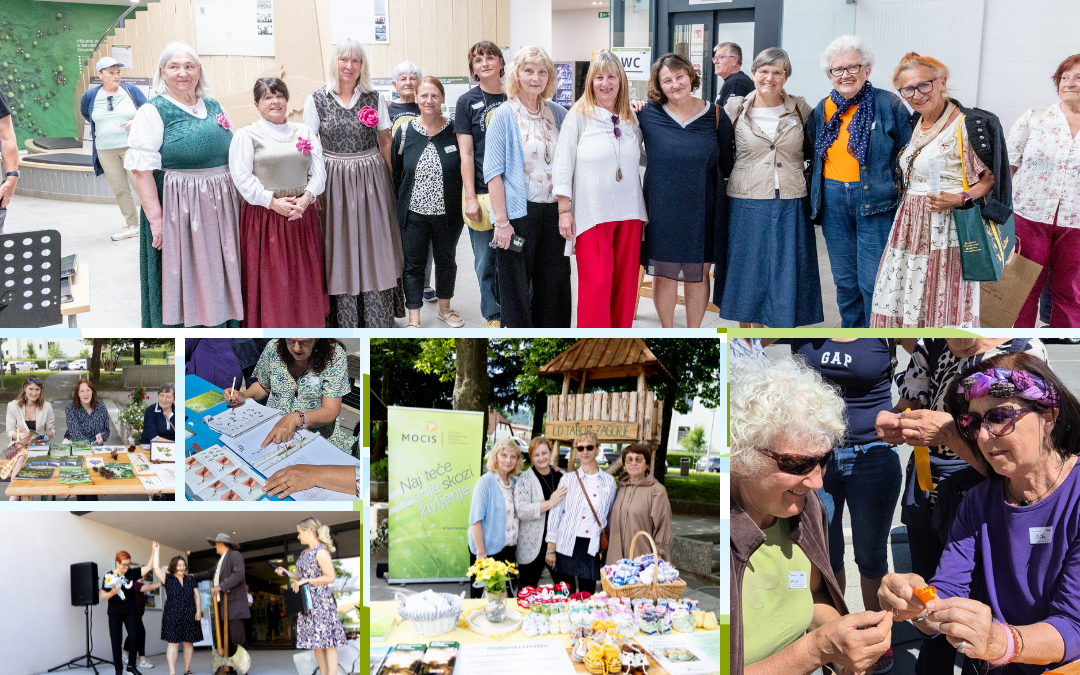
Following welcome addresses by representatives of the local community, the ministry responsible for education and adult education professionals, the host study circles took centre stage. Through their presentations, they introduced visitors to the natural and cultural heritage of the area while illustrating one of the defining features of study circles: exploring themes deeply rooted in the local heritage and community life.
The stage then belonged to the visiting study circles. Their diversity and originality demonstrated that the freedom to choose learning topics – one of the defining principles of the Slovenian study circle model – remains among its greatest strengths. During the afternoon, fourteen study circles presented their projects on the outdoor stage, including two international groups that joined remotely. Their participation highlighted the hybrid format of the event and the growing international partnerships that continue to enrich this approach to community learning. Across the venue, additional study circles showcased their work at exhibition stands.
Alongside the presentations and hands-on activities, the Study Circle Caravan also offered a professional programme for mentors and adult education practitioners. This year’s theme explored the potential and transformative power of study circles for both individuals and communities. The keynote speaker was Dr Mateja Šmid Hribar from the Research Centre of the Slovenian Academy of Sciences and Arts. Drawing on findings from the EU-funded Shared Green Deal project, she highlighted the andragogical dimensions of study circles and their contribution to fostering sustainable practices within local communities.
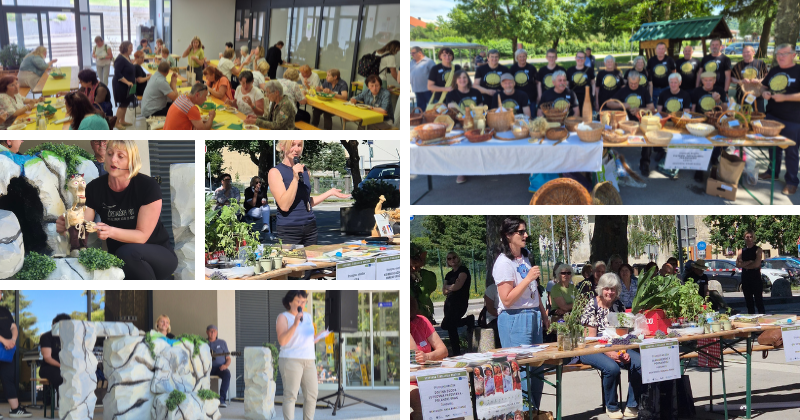
The event also featured exhibitions that invited visitors to discover both the local area and the setting of this year’s Study Circle Caravan. Among the highlights was the Opazujmo app, a new citizen science app that encourages people to explore their surroundings and contribute their findings to a shared understanding of the natural environment.
The sunny day passed all too quickly in the company of people united by a shared commitment to learning, collaboration and community-building. Surrounded by the treetops of the Pivka forests and inspired by learning in its many forms, we hardly noticed how many new insights we had gained or how many new ideas had taken root. Yet people still say that learning is hard work! It certainly is not when approached in the right way. As one participant wrote in the evaluation questionnaire.
A wonderful Saturday spent with people who connect, learn and inspire one another. Once again, the Caravan reminded us that we learn best when we learn together.
Erika Švara (erika.svara@acs.si), SIAE