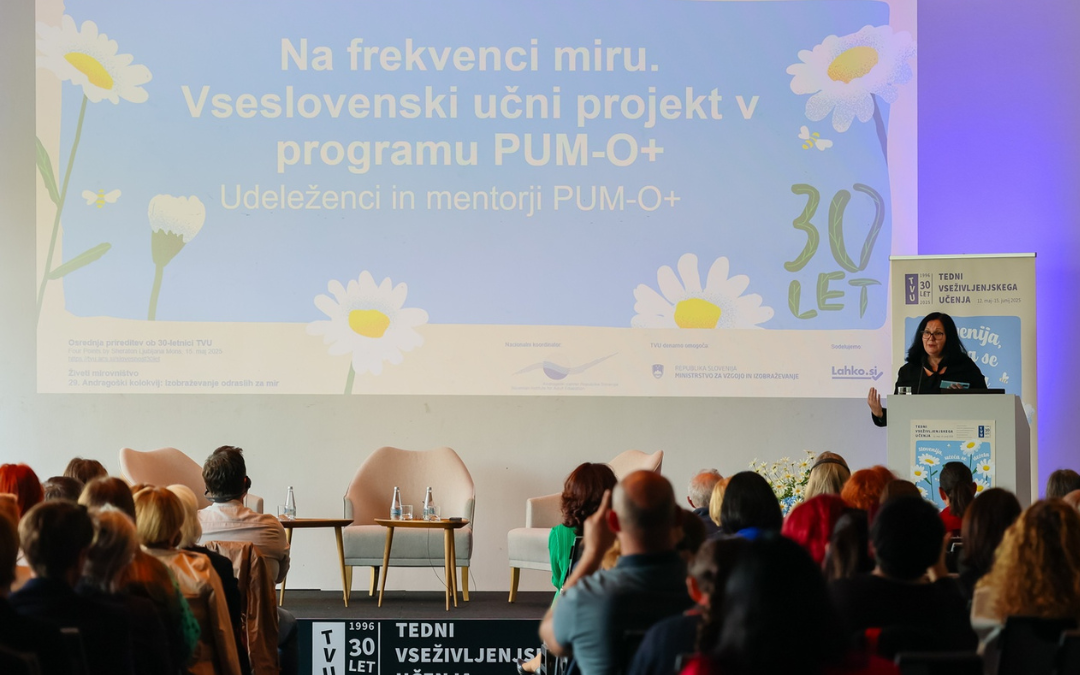
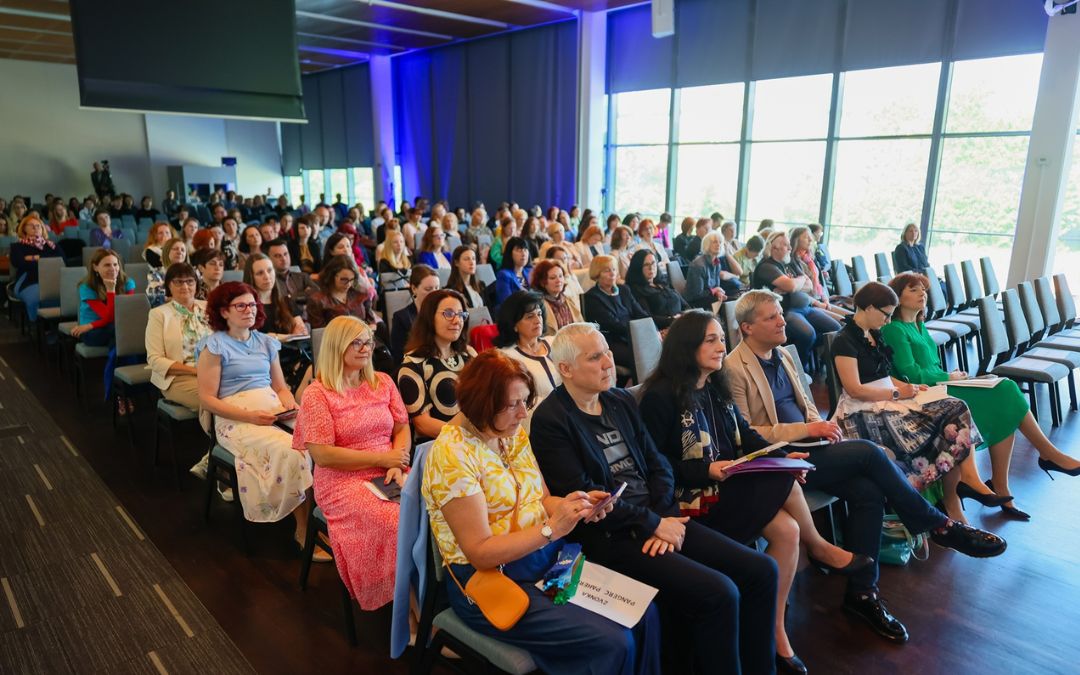
At a time when the world is shaken by numerous conflicts, violence and rapid change, the question of peace has become more urgent than ever. That is why this year’s 29th Adult Education Colloquium, titled Living Peace-Building – Adult Education for Peace, offered a valuable opportunity to reflect on how adult learning and education can contribute to building a more peaceful society.

The questions we sought to answer included: What is the role of adult education in promoting peace? How can we engage in dialogue with people who hold radically different worldviews? What learning opportunities and spaces are available to adults regarding democracy and peace-building? What role does the media play in this?
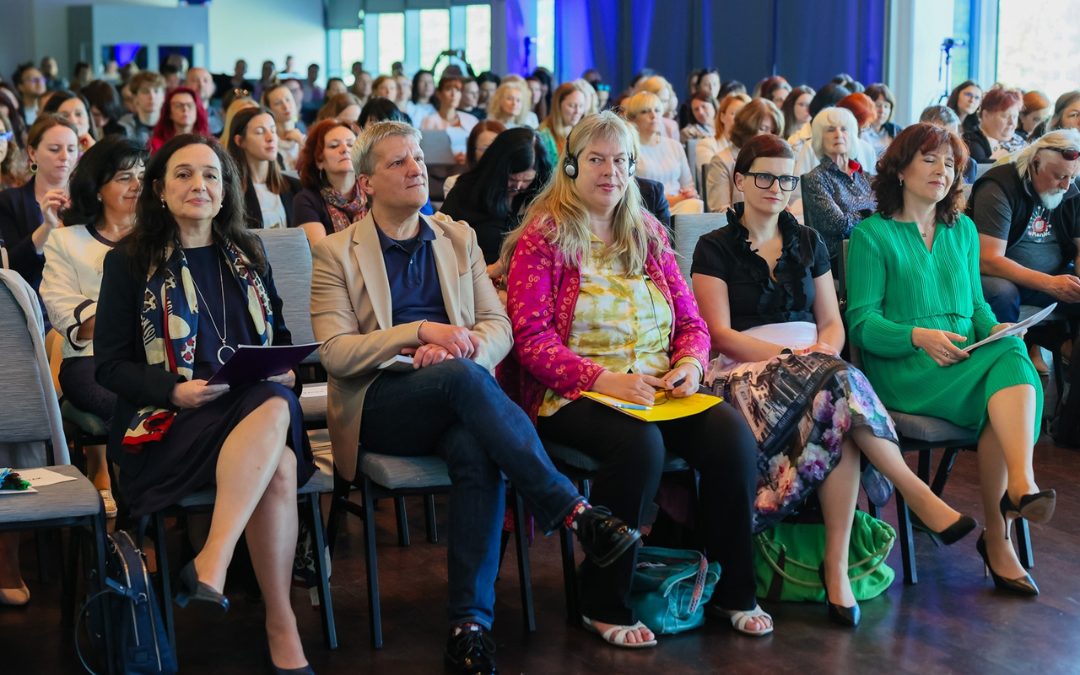
Organised by the SIAE, the Colloquium brought together national and international experts, highlighting both theoretical and practical approaches to peace education. The event took place as part of the Flagship Celebration of LLW’s 30th anniversary, held on 15 May in Ljubljana.

Highlights from the Colloquium: education as the foundation of a peaceful future
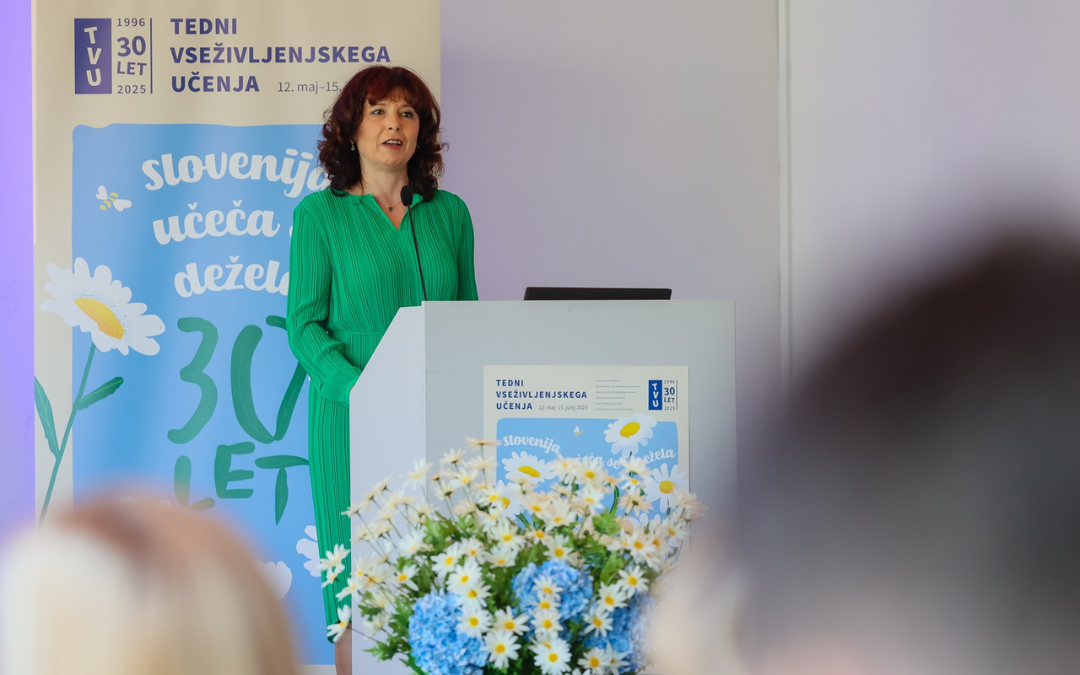
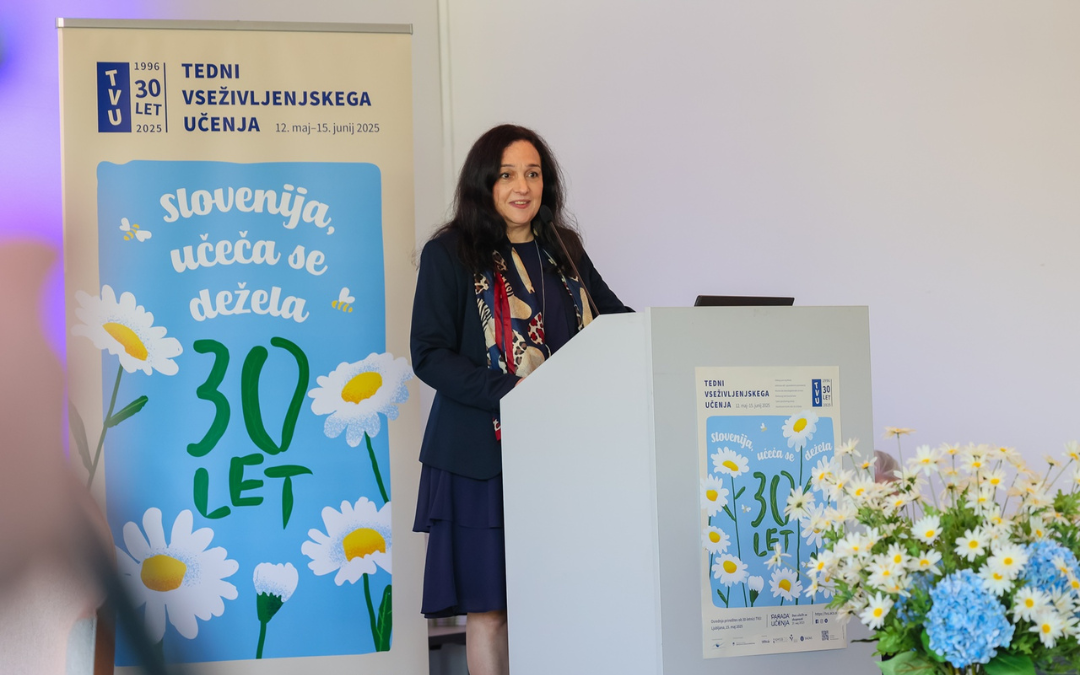
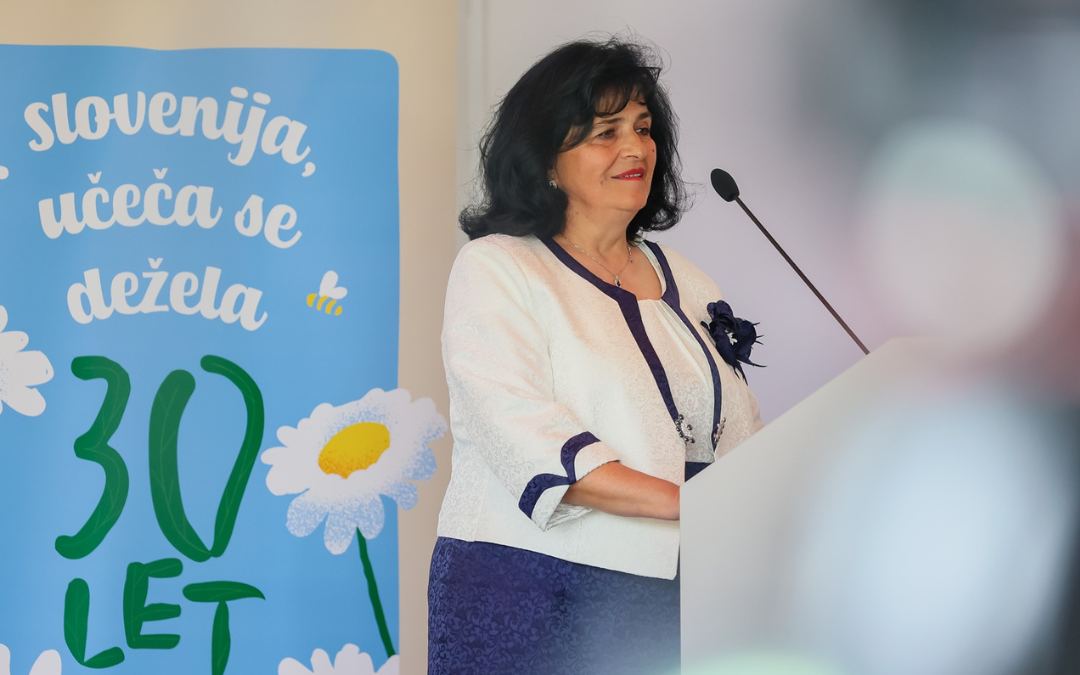
dr. Nataša Potočnik
Lifelong learning must, among other things, encourage tolerance, compassion and understanding.
Dr Nataša Potočnik

Director of the SIAE

The Colloquium opened with a welcome address by Dr Nataša Potočnik, Director of the SIAE, who emphasised the importance of ALE as a bridge between the individual and society – especially in times of crisis and uncertainty.

In my introductory presentation, The Culture of Peace in Times of War, I, the author of this article, outlined the concept of a culture of peace, which does not mean merely the absence of violence but actively fostering dialogue, cooperation and mutual understanding among people. I emphasised that ALE can strengthen an individual’s capacity for critical thinking, empathy and responsible action.
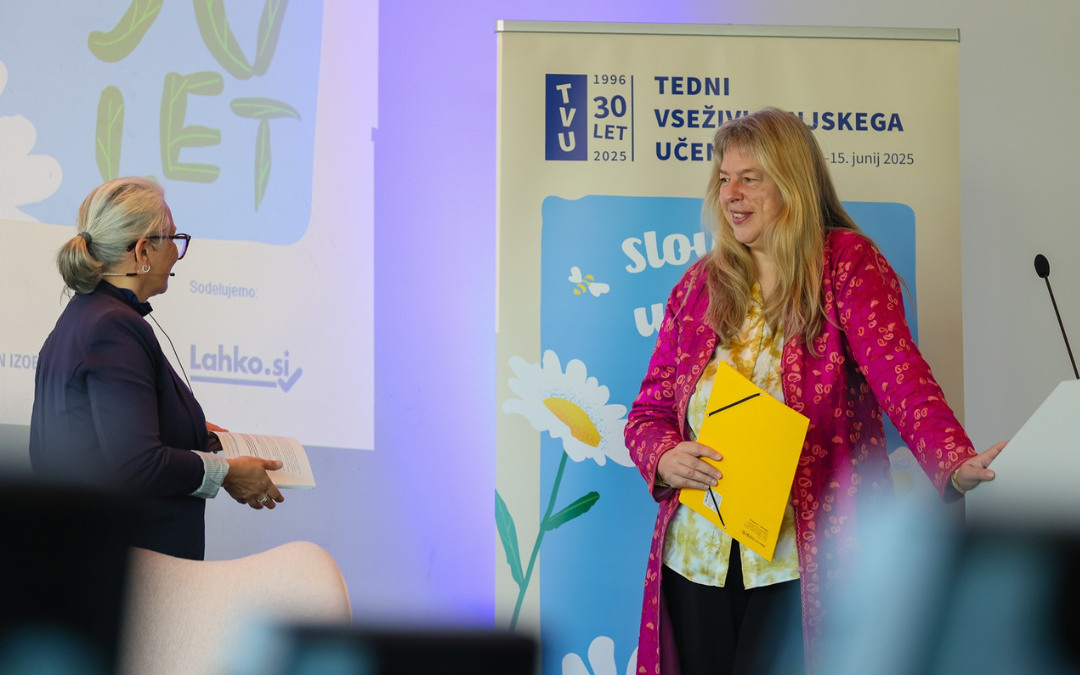
mag. Jasmina Mirčeva
Reflecting on peace is not only a professional issue but also a significant ethical responsibility. Peace is one of our time’s most vital and endangered values.

The keynote lecture by Isabell Kempf, Director of the UIL, resonated particularly strongly. In her presentation titled Educating for Peace: Rebuilding Communities and Preventing Future Conflict Through Adult Learning, she highlighted examples of good practice from various countries. She demonstrated how education can contribute to rebuilding communities after conflict and help prevent future tensions.
Isabell Kempf z moderatorko Alenko Štrukelj

Peace is connected with other values and with the green transition.

Isabell Kempf

director of the UIL

This was followed by a philosophically and ethically framed contribution by Prof Dr Bojan Žalec from the Faculty of Theology, University of Ljubljana. In his discussion Education for Peacefulness in the Light of Relationship Ethics, he emphasised the importance of resonance, empathy and understanding the tragic nature of violence as a path towards peaceful relationships. He stressed the need for an awareness of the tragedy of violence that violates fundamental ethical principles. The tragedy of violating the principles of sanctity lies in the fact that even when justified, even when there is no other choice, it remains inherently wrong.
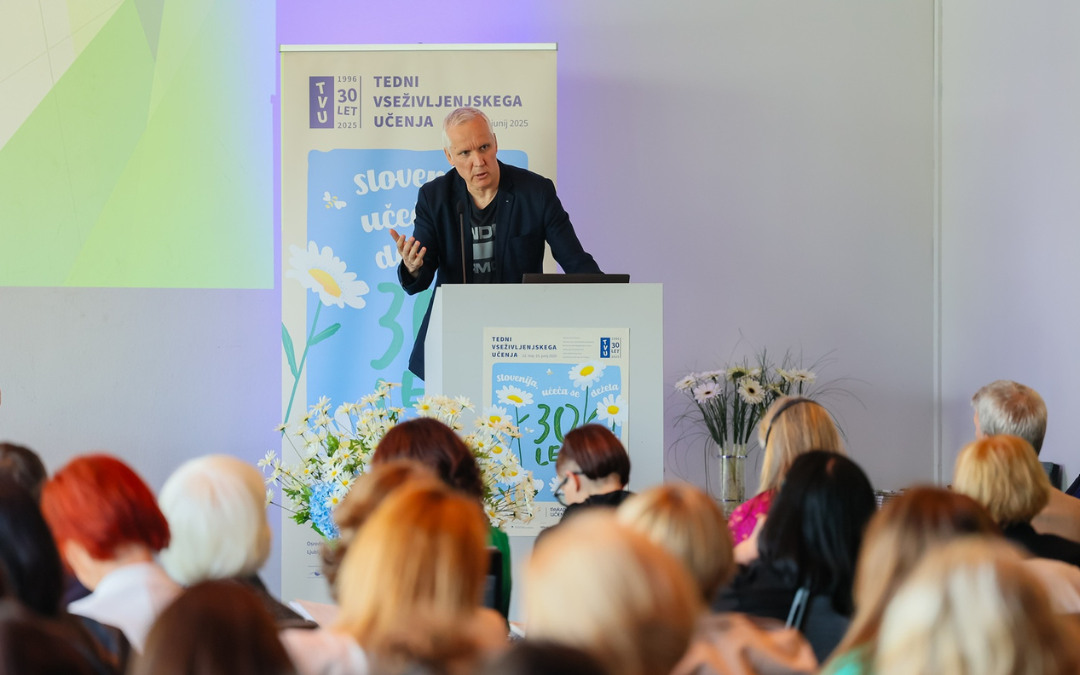
prof. dr. Bojan Žalec

Three things present both the path and the goal of education for peace: nurturing resonance, fostering empathy and the awareness that all violence is tragic.

Prof Dr Bojan Žalec

Faculty of Theology, University of Ljubljana

The second part of the Colloquium continued with a video contribution by Uwe Gartenschlaeger, former President of the EAEA and Director of DVV International, and Dr Hanna Shvindina from Ukraine. They illustrated how, even in the midst of war, ALE remains a tool for strengthening inner resilience and social cohesion.

Zora Perenda from Cultural club Sevdah, with her presentation Peace Is Not Only the Goal but Also the Path, showcased concrete forms of peace-building in everyday life – from artistic expression to community work.
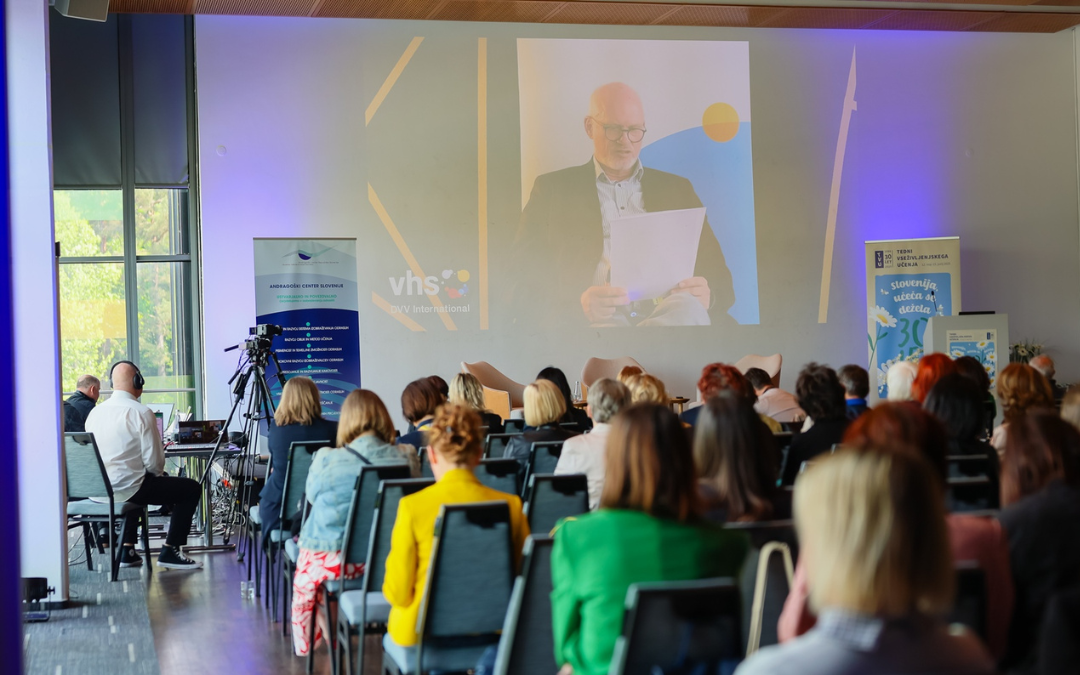
Uwe Gartenschleager
In our experience, adult education can often adapt more flexibly than formal systems to volatile conditions.
Uwe Gartenschlaeger

Former President of the EAEA and Director of DVV International

Zora Perenda iz KUD Sevdah
Culture is about connection. That is why passing on traditions to the younger generation is so important.
Zora Perenda

Cultural club Sevdah

The presentation of the project In Tune with the Frequency of Peace was exceptionally vibrant and inspiring. It was co-created by participants and mentors of the PLYA+ programme. The introduction was provided by Natalija Žalec, MAEd (UK), co-creator and coordinator of PLYA+. Through their commitment, the young participants demonstrated that they are key bearers of a culture of peace for the future.
Natalija Žalec

What does it mean to think peace? How can we live it – not merely as an ideal but as a daily practice? And what does it mean to stand up for it, to defend it even when it is not the easiest path? We tried to answer these questions in a concluding discussion with Dr Maja Ladić and Dr Eva Marn. We summed up the Colloquium’s key message: peace is not to be taken for granted – it must be constantly co-created, also through learning and the shared search for ways forward.
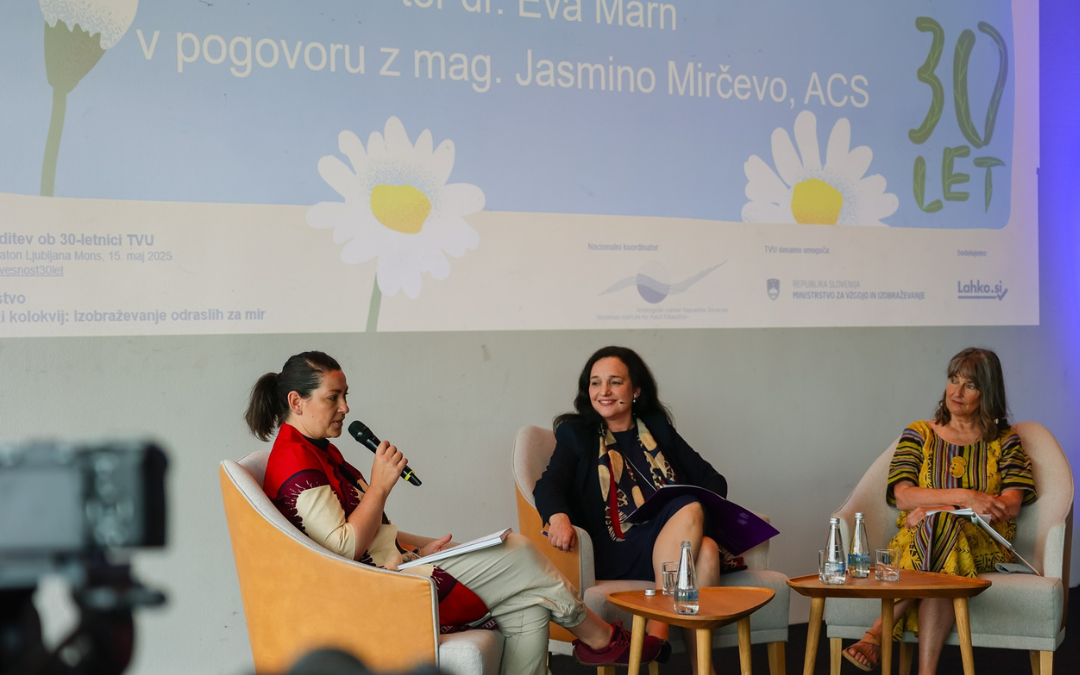
Kaj pomeni misliti mir, s sogovornicama dr. Majo Ladič in dr. Evo Marn

Education – not just adult education – helps us solve problems with knowledge rather than violence.

Dr Maja Ladić

Peace Institute

Unfortunately, peers who see conflict as an opportunity to assert an idea often have more influence than education and training for peace.

Dr Eva Marn

Peace-building as everyday practice

The Adult Education Colloquium made it clear that peace-building is not only a topic for high-level political debate but a process that begins with each individual – in schools, workplaces, communities and adult education programmes. Participants’ feedback was extremely positive; they emphasised the value of diverse perspectives, open dialogue and the exchange of good practice, encouraging them to reflect on their role in building a more peaceful society.
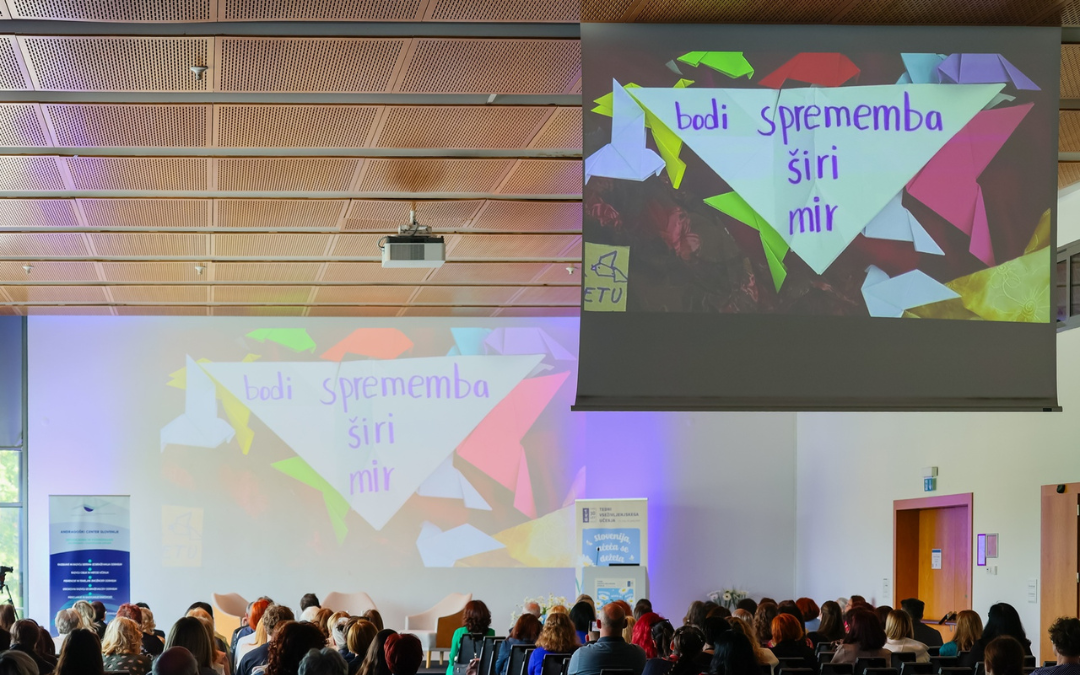
Občinstvo

The event inspired and encouraged experts and practitioners in ALE to continue their work confidently – for it is learning itself that can pave the way to a more understanding, connected and peaceful world. Did you miss it? You can watch the video recording on the event website.

Jasmina Mirčeva, MSc (jasmina.mirceva@acs.si), SIAE

© 2017-2025 Slovenian Institute for Adult Education

​The publication is co-financed by the Ministry of Education.

ISSN 2630-2926

Slovenian Institute for Adult Education
Ministry of Education

Published by Slovenian Institute for Adult Education (SIAE), Šmartinska 134a, SI-1000 Ljubljana | Editor-in-chief: Zvonka Pangerc Pahernik, MSc (E: zvonka.pangerc@acs.si) | Editor: Ana Peklenik (E: ana.peklenik@acs.si) | Other members of the editorial board: Zvonka Pangerc Pahernik, MSc, dr Nataša Potočnik, Directress of SIAE, dr Tanja Možina, Tanja Vilič Klenovšek, MSc and dr Tanja Rupnik Vec | Computer solution: Franci Lajovic (T: 01 5842 555, E: franci.lajovic@acs.si) | Translation/proofreading: Mesto znanja, izobraževanje in svetovanje za osebno rast, Petra Cvek, s. p.  | Design: Larisa Hercog | Corrective reading: Zvonka Pangerc Pahernik, MSc, and Mateja Pečar | W: https://enovicke.acs.si/en/home/