


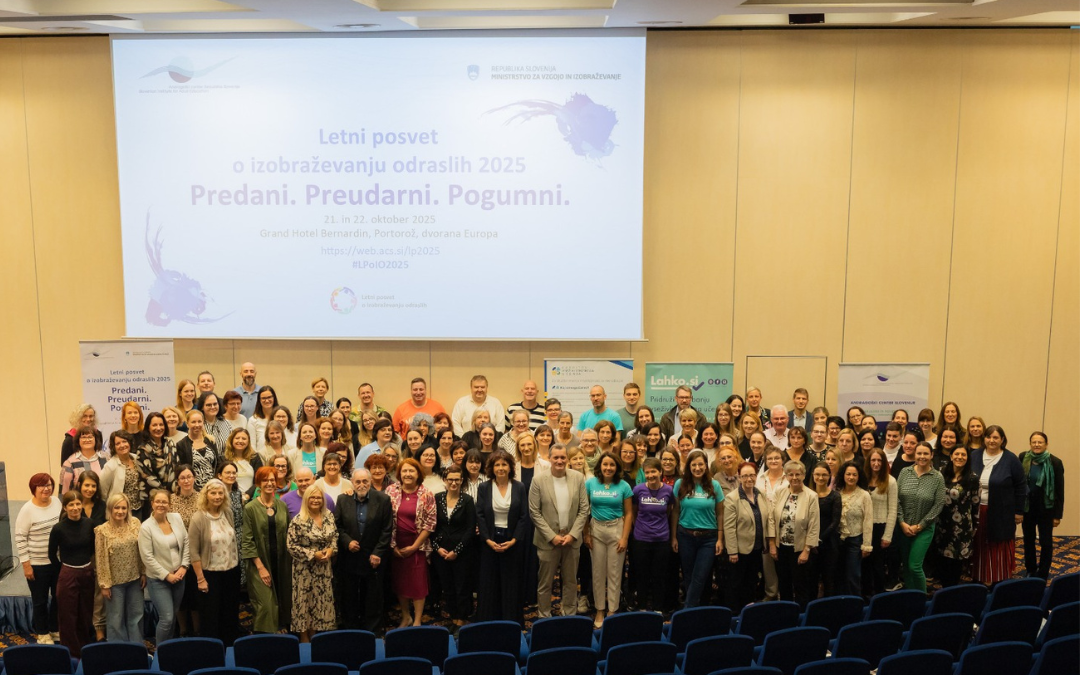
What might have contributed to this perception? Perhaps the clear structure of the programme, the excellent speakers, the opportunities to voice opinions in working groups, the tribute to Dr Zoran Jelenc – a meeting of past, present and future – or, as we promised – a gatering at the crossroads of achievements, challenges and commitments? Let us look at some of the characteristics of this two-day event.
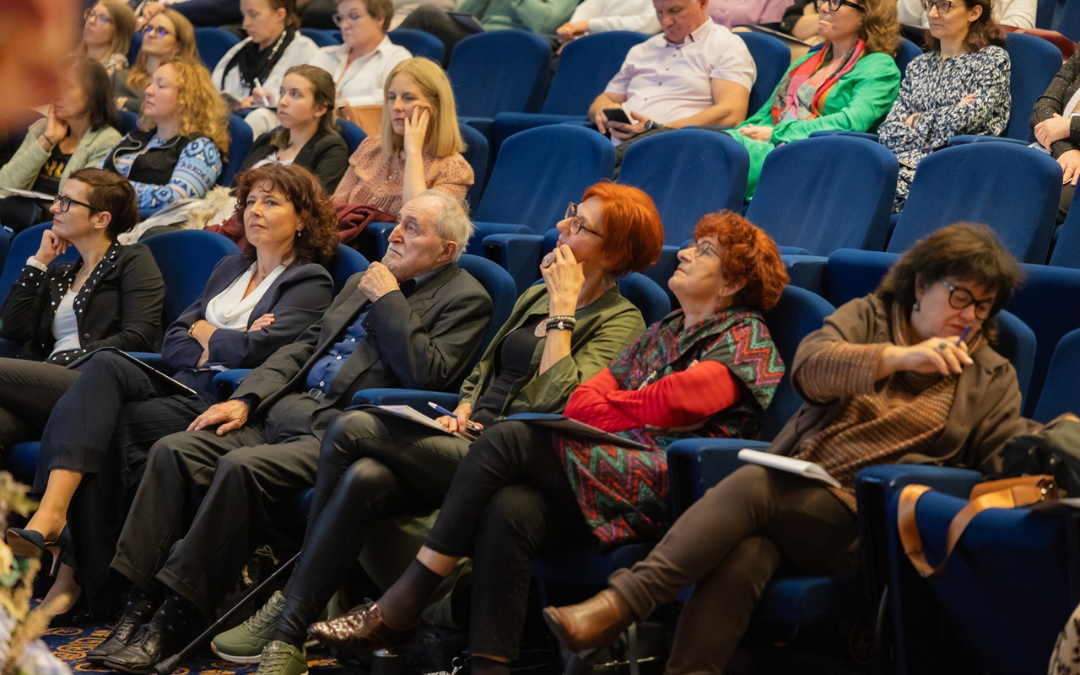
This was my first time attending the annual conference, and I was delighted with how well it was organised. Above all, I appreciated the excellent facilitation and the well-paced schedule. What inspired me most was the atmosphere – you could sense the connection among participants and a shared desire to contribute, through personal development, to the betterment of the wider community in which we live.
First, some facts
The Annual Adult Education Conference (AAEC) 2025, held on 21 and 22 October, offered opportunities for networking and professional exchange. At the now well-established venue for our professional meetings over the last four years – the Grand Hotel Bernardin in Portorož – almost 300 of us gathered. As in previous years, the gender balance again leaned heavily towards women, with men accounting for only about 16% of attendees.
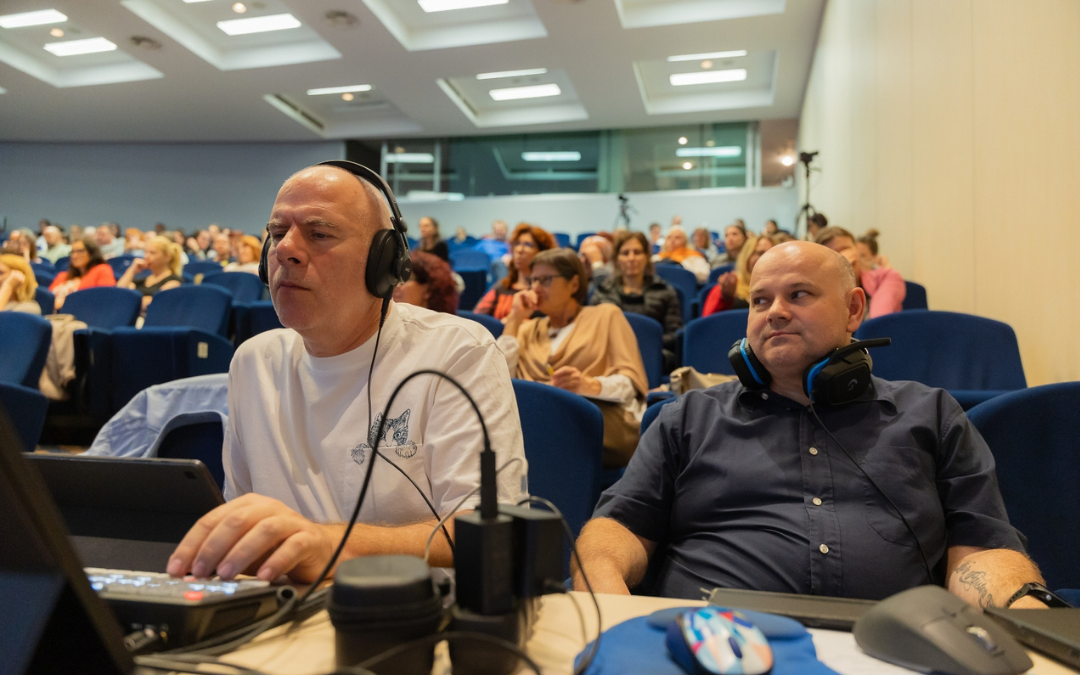
We streamed the event online. Recordings of individual conference segments have been published on the event website, along with presentations (in Slovenian). You can find photographs and both short and extended versions of the video interview conducted by Ida Srebotnik with Dr Zoran Jelenc (in Slovenian).
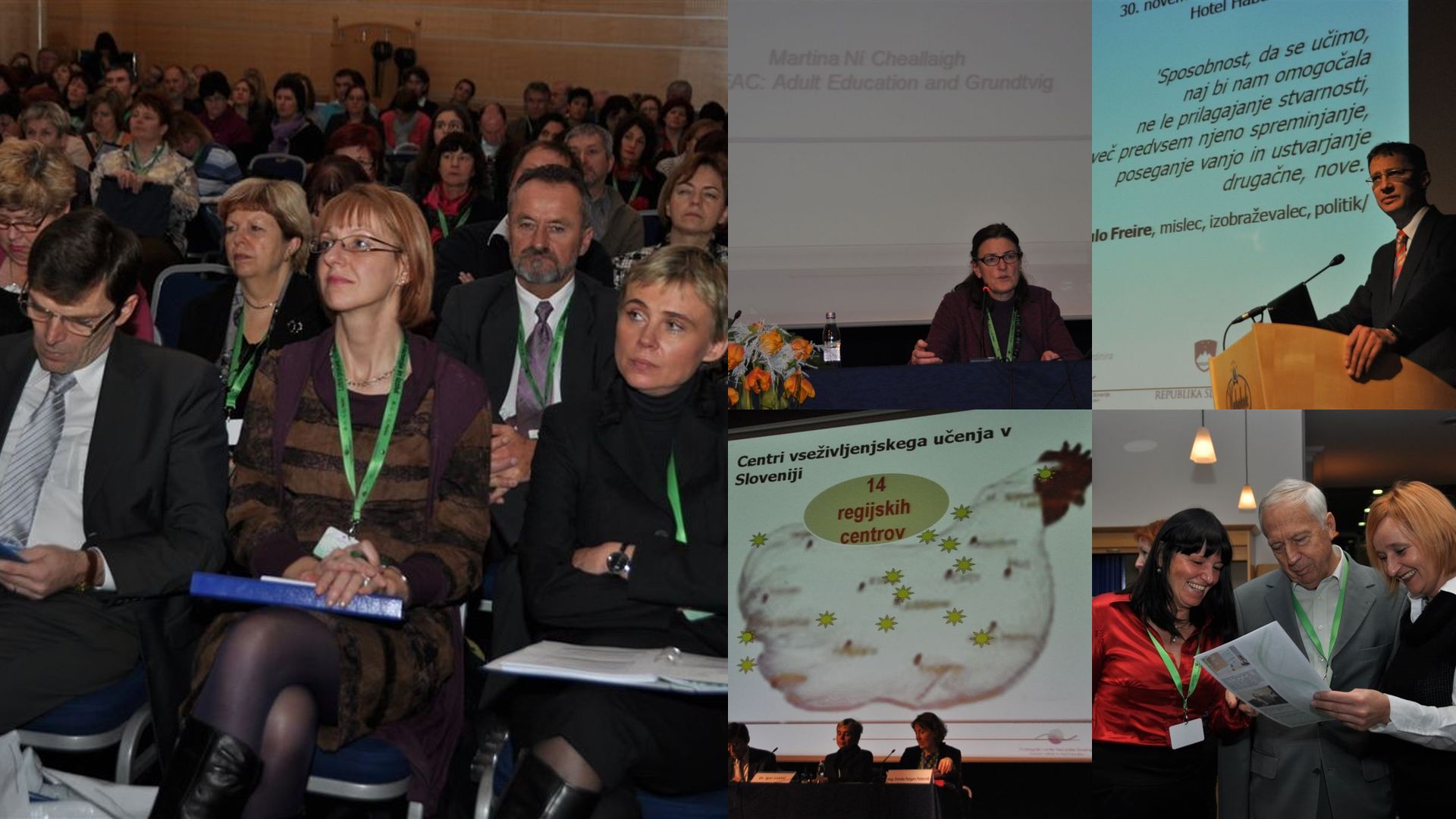
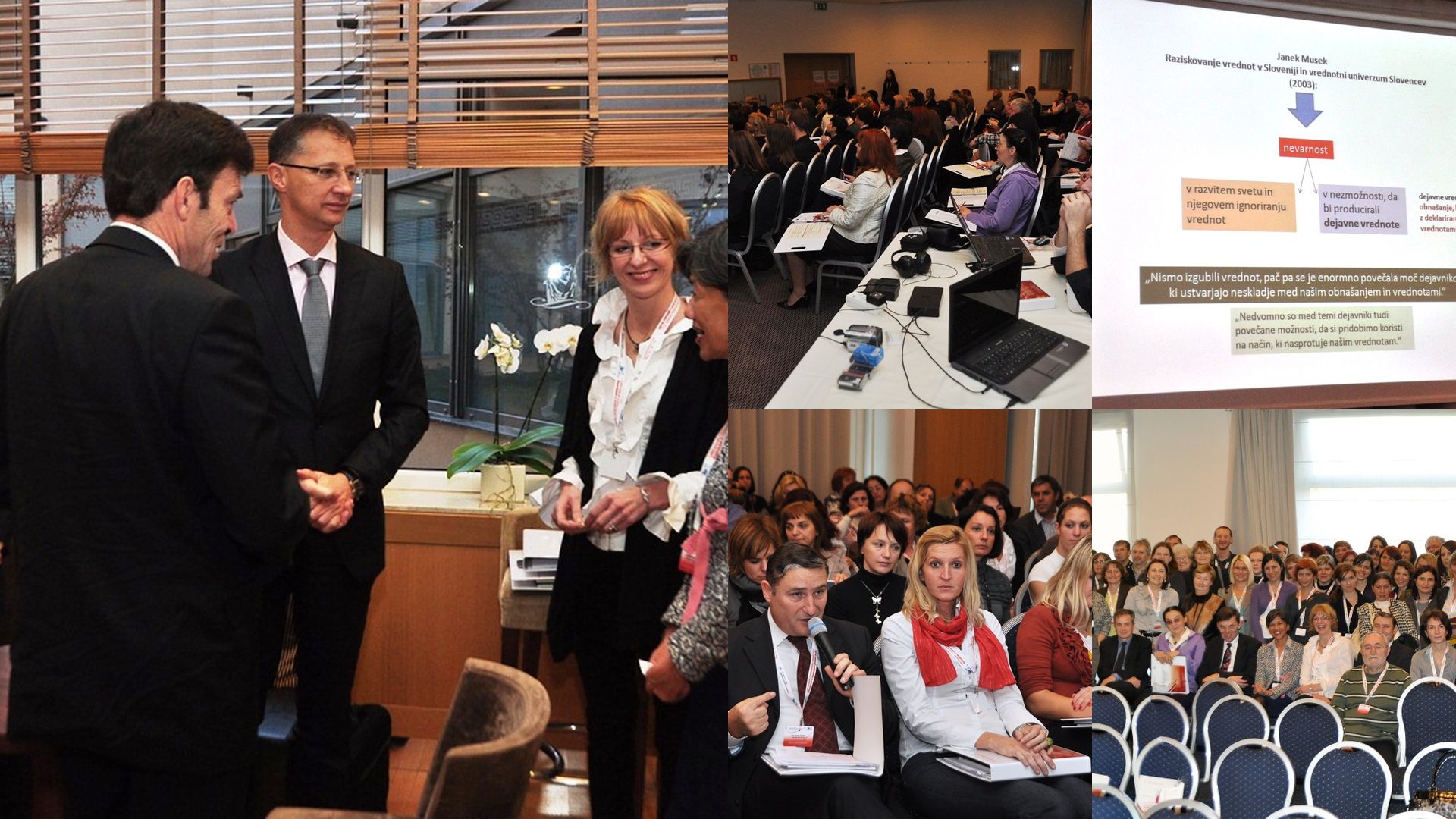
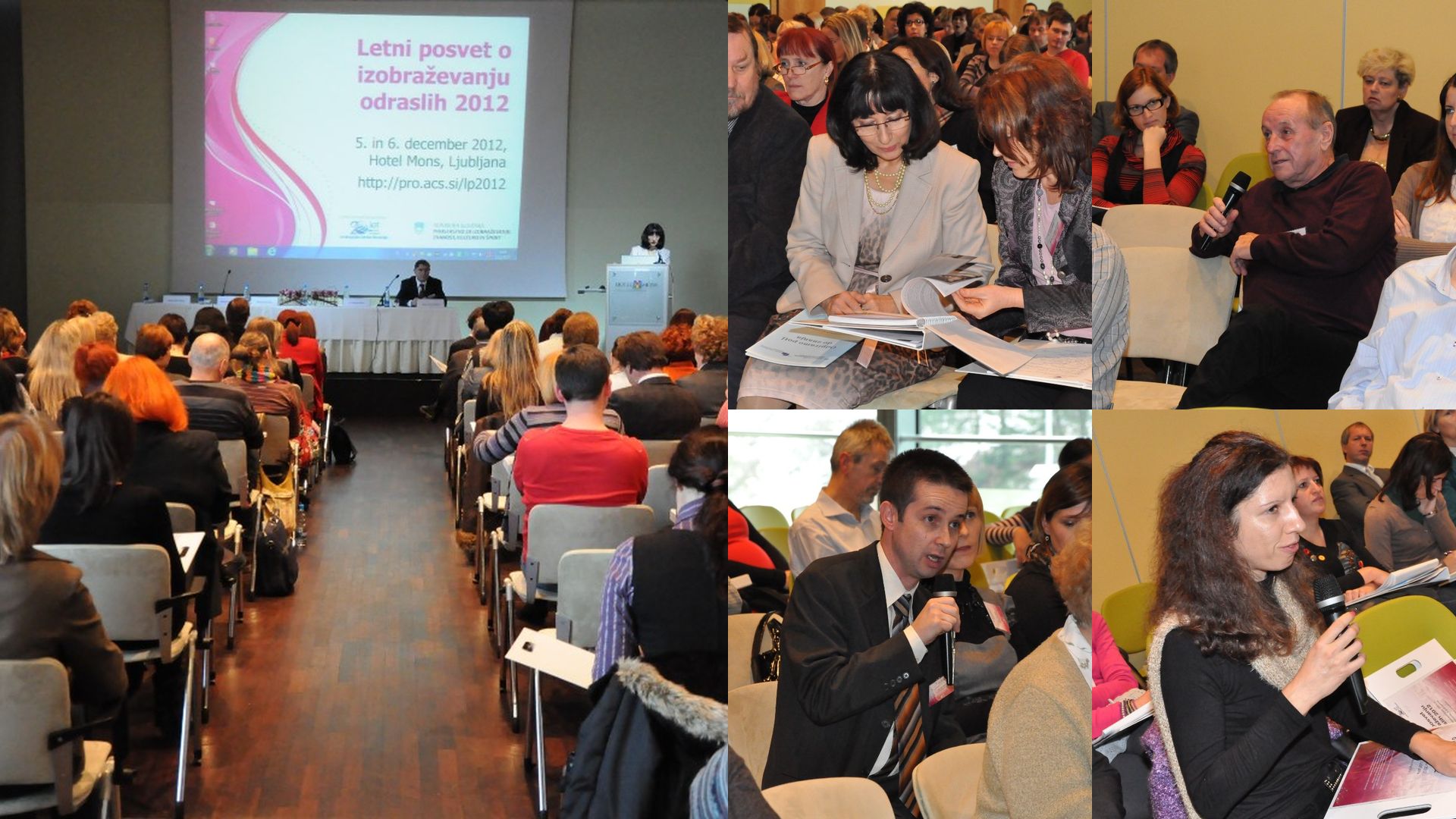
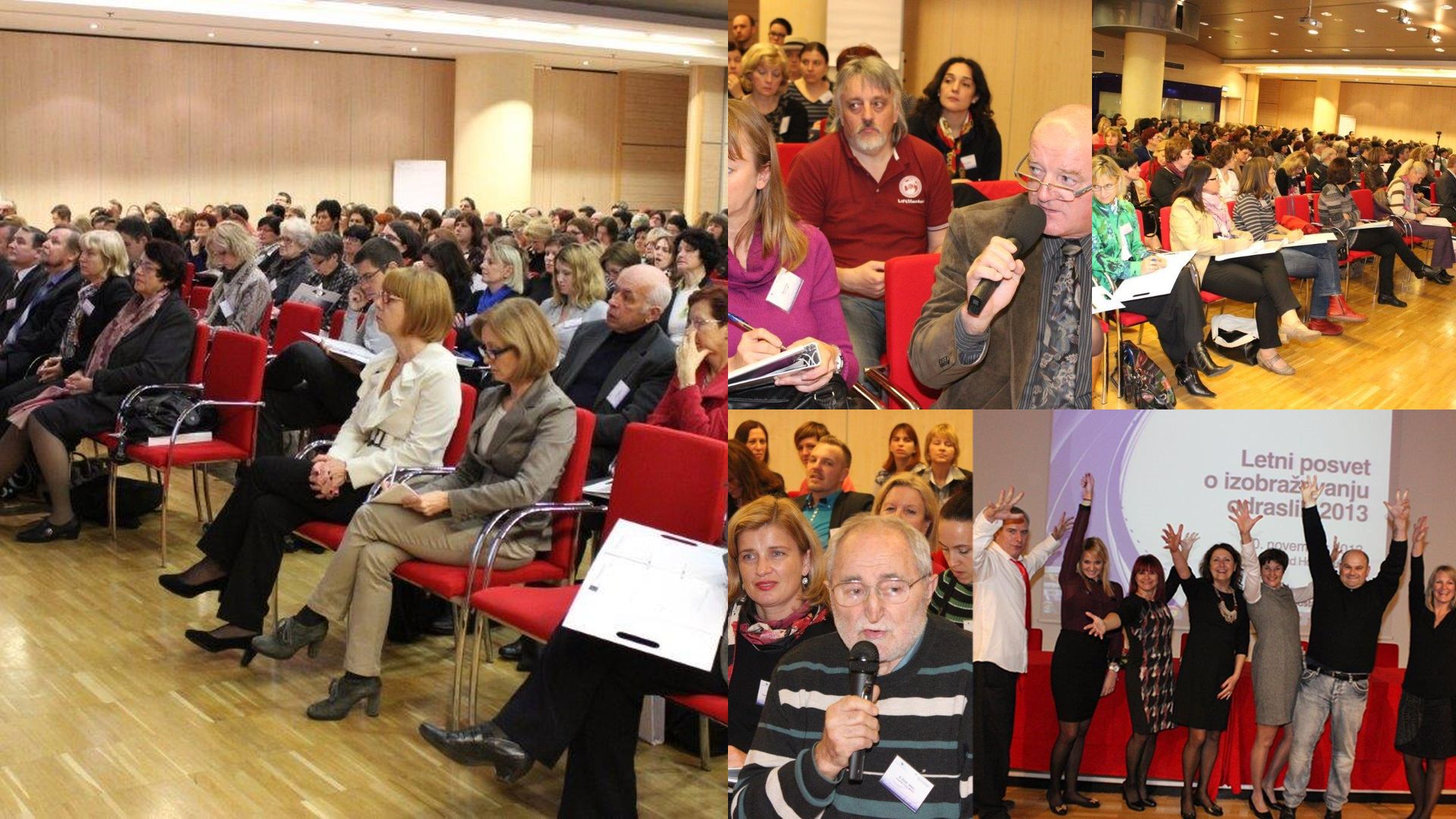
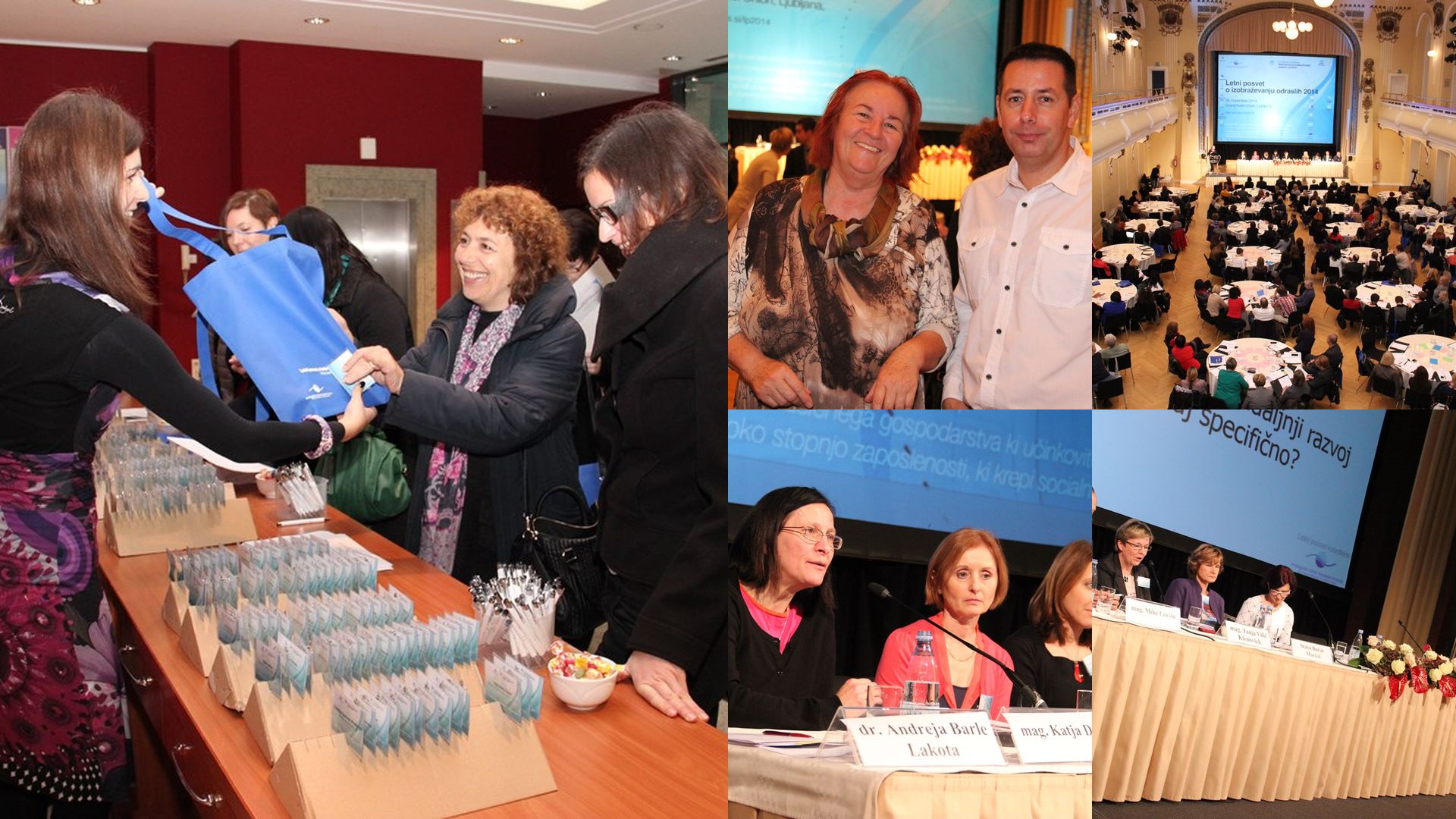
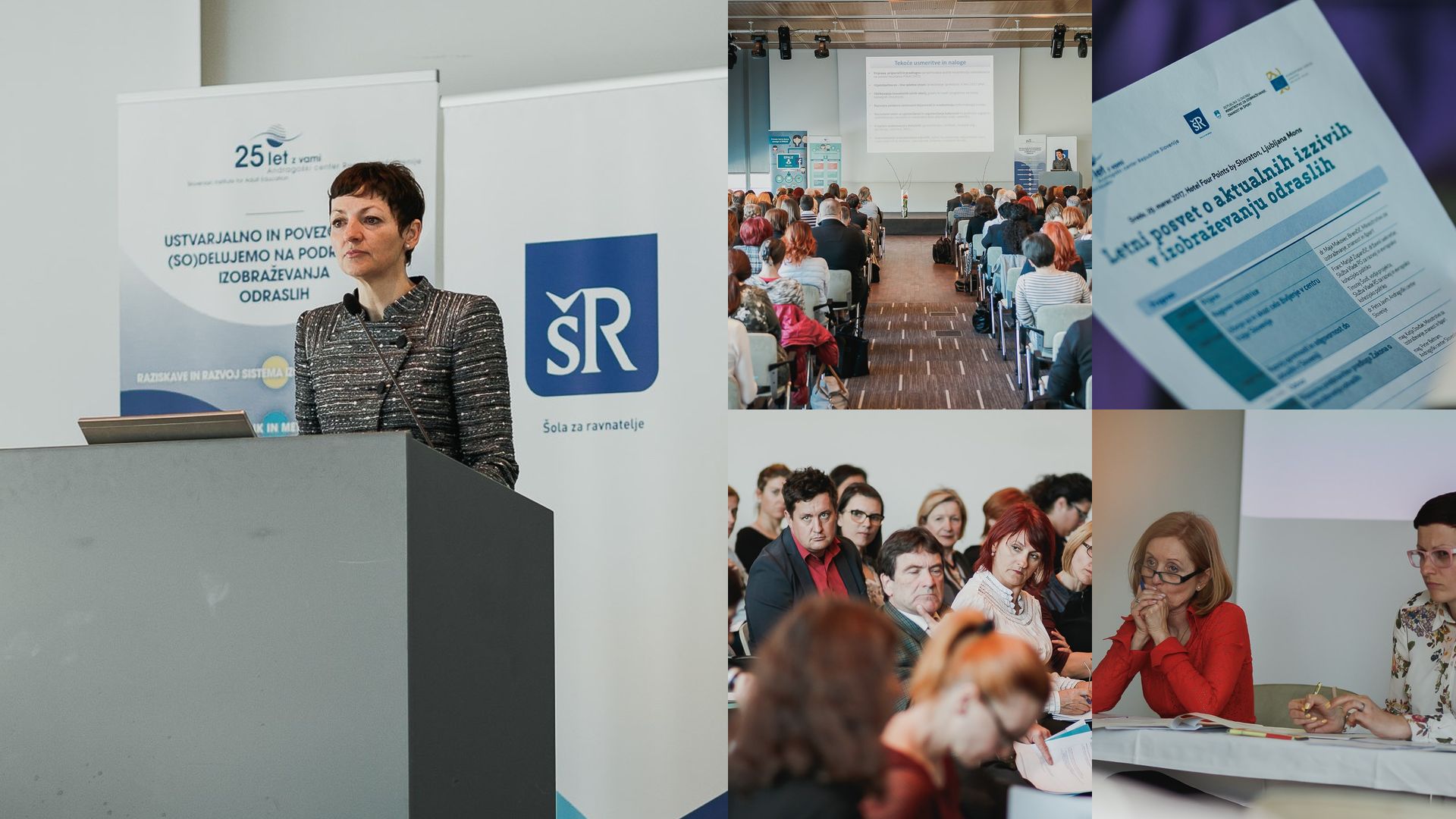
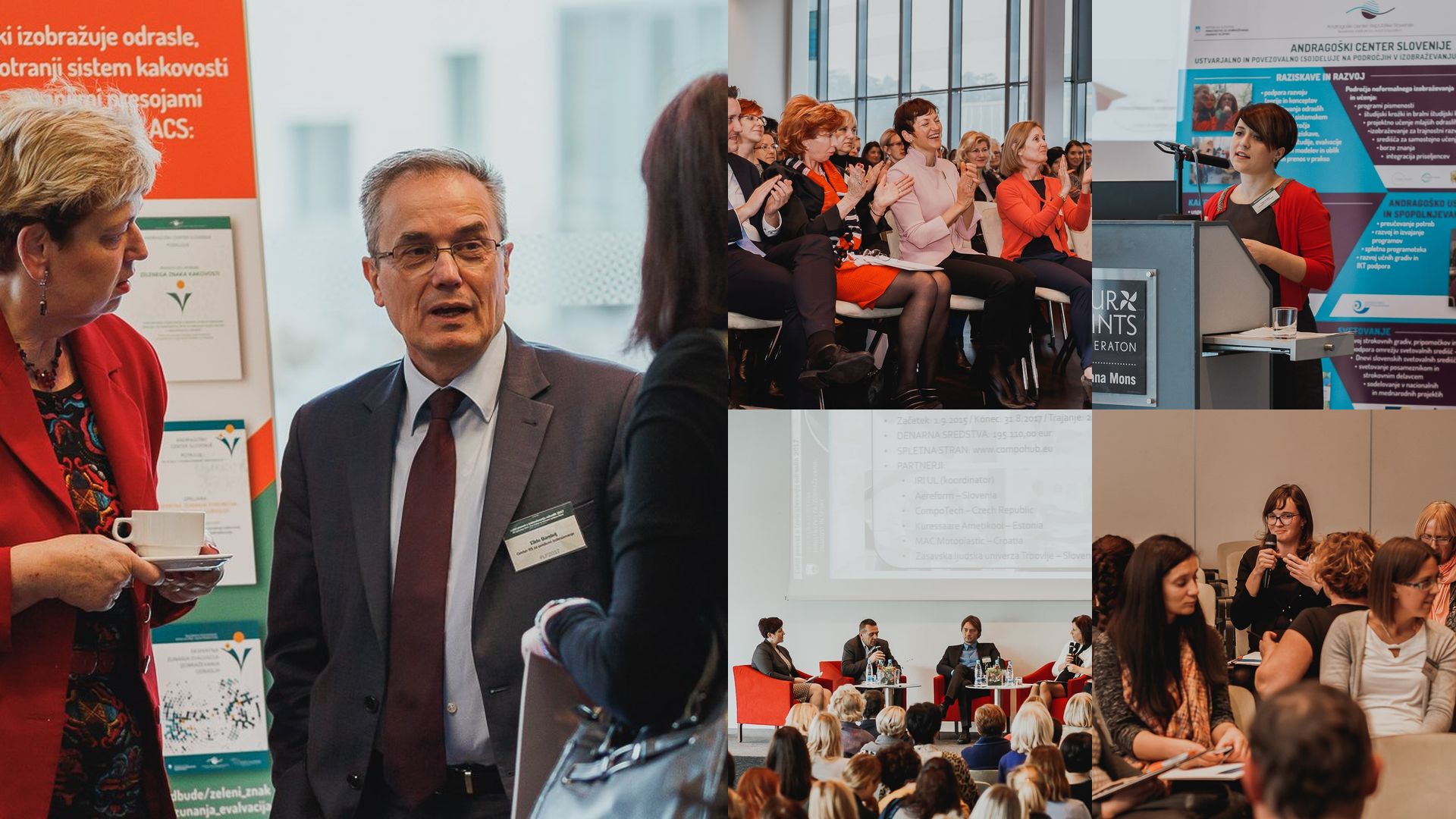
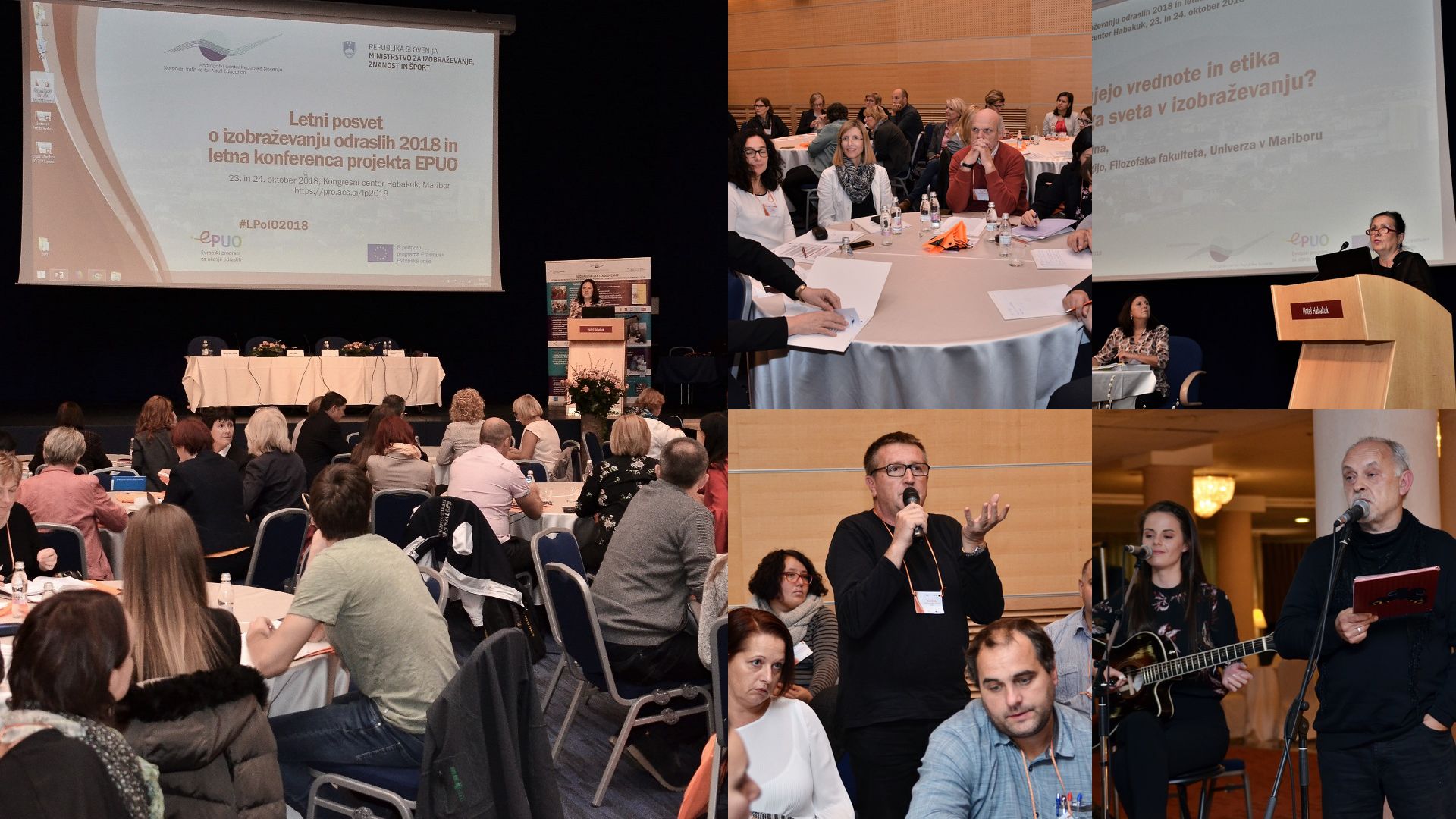
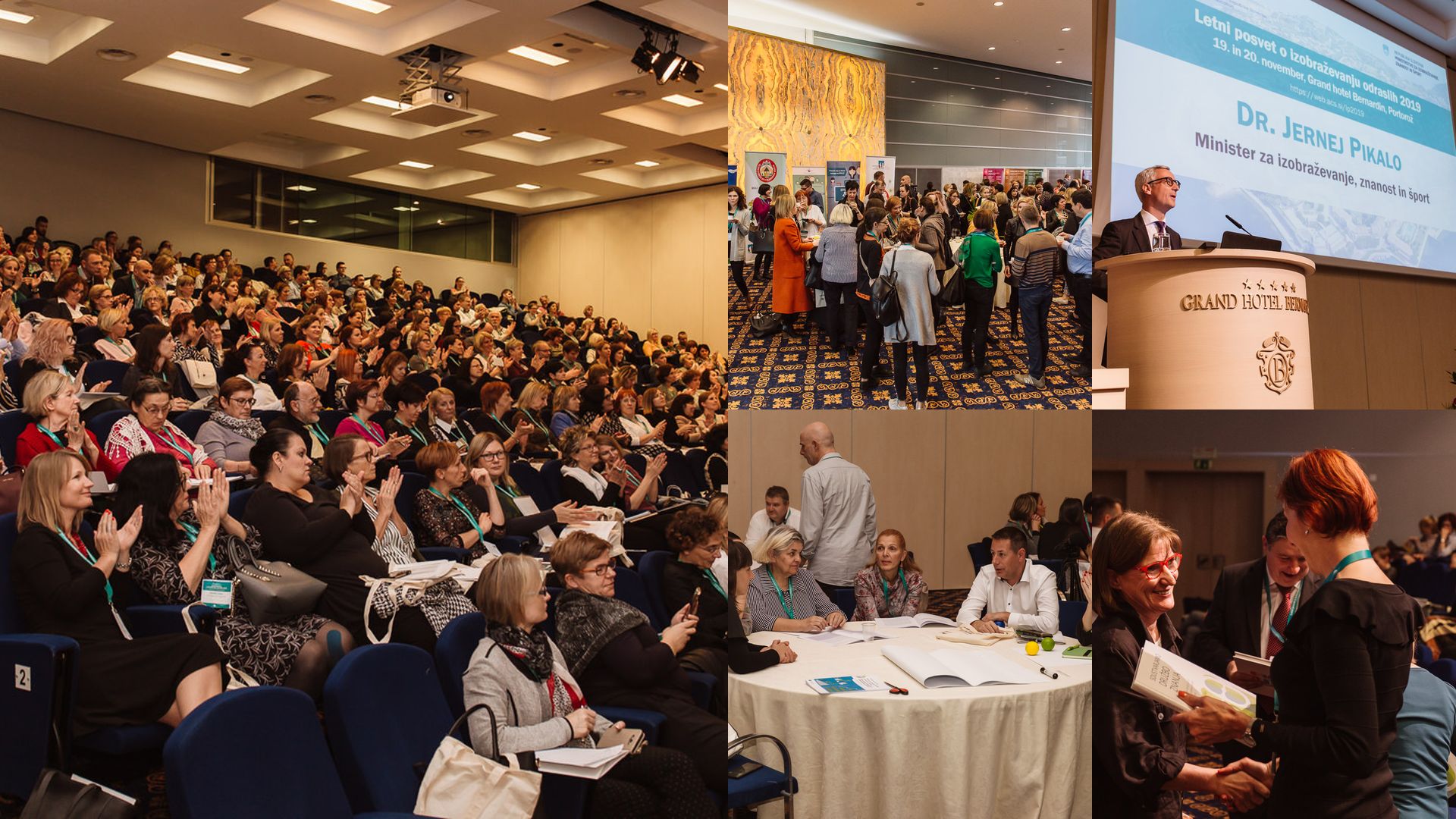
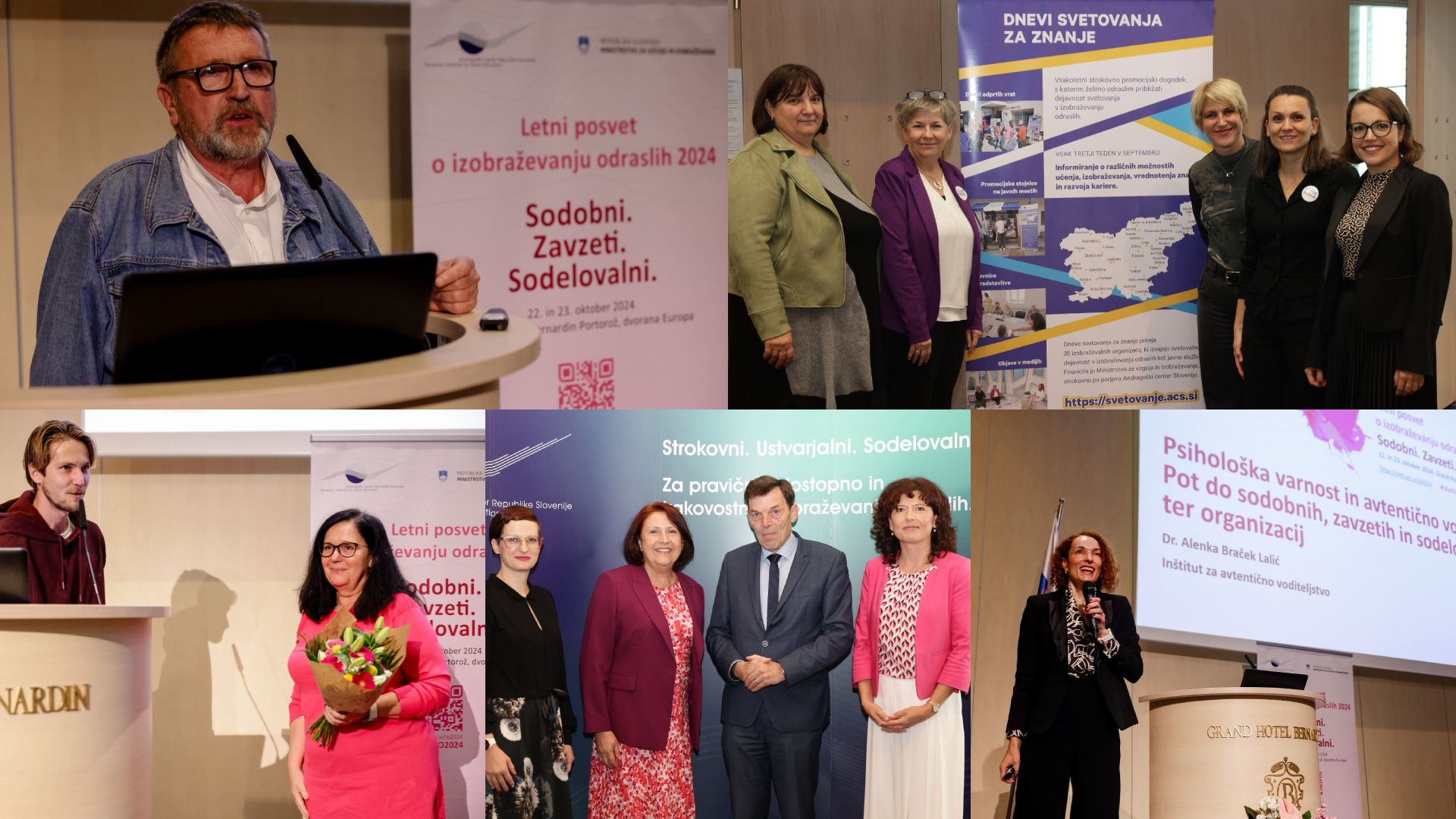
In the opening segment, a photo collage took us through previous AAECs organised by the SIAE for 16 consecutive years on behalf of the Ministry of Education (ME), including during the COVID period.
Photo highlights from AAECs 2010–2024

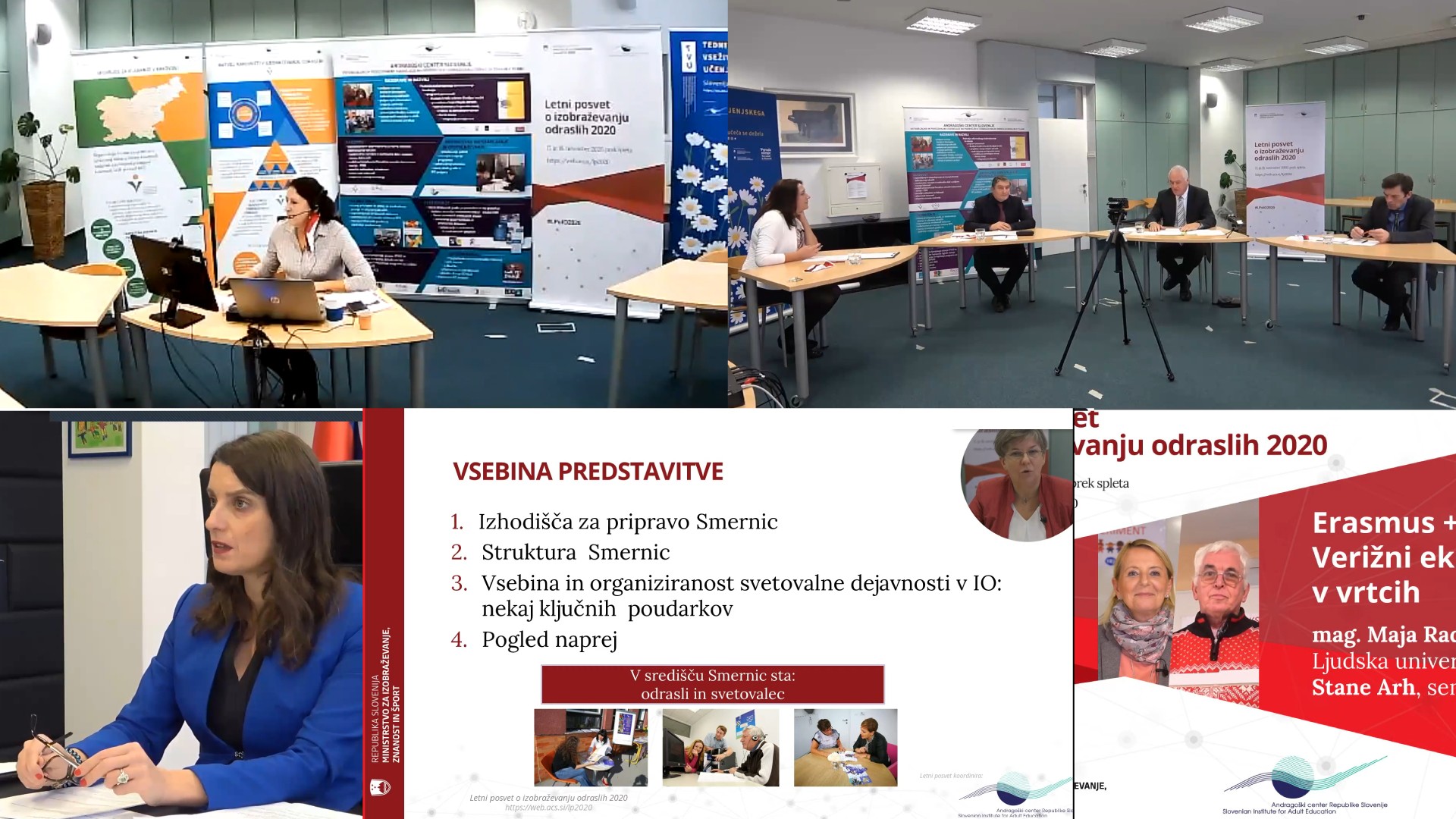
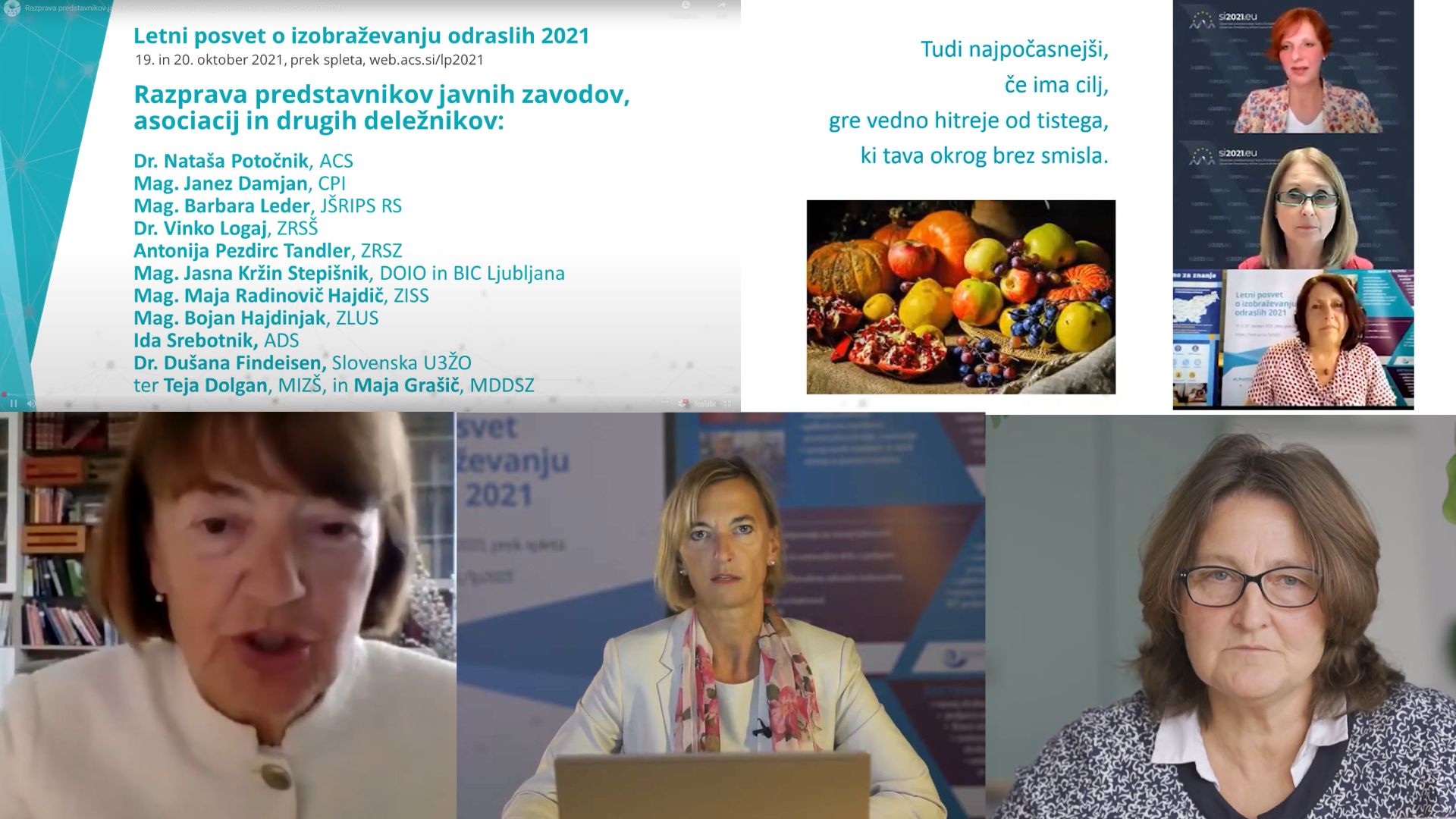
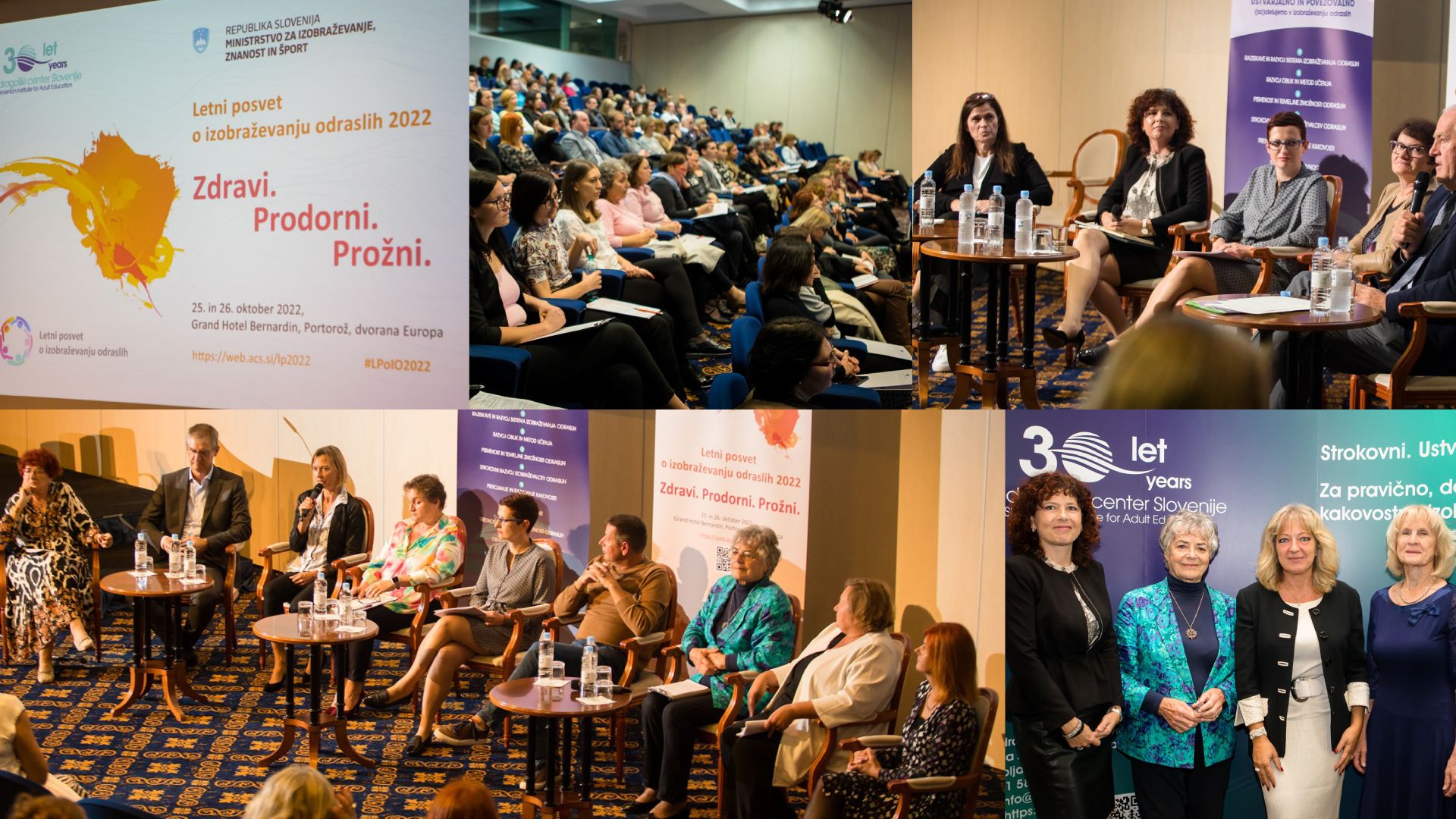
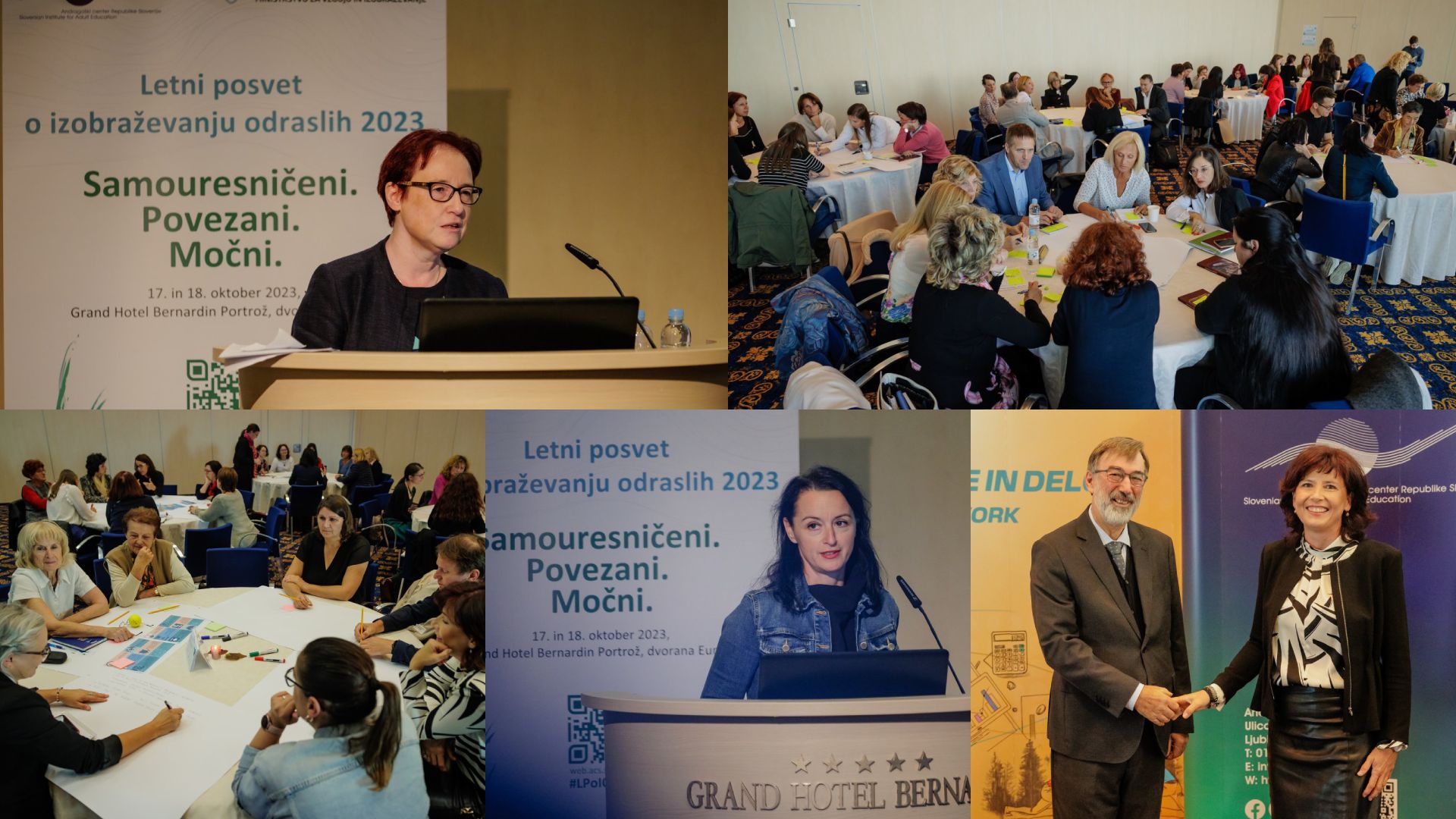
Now to the individual programme segments
Over both days, we were united by the slogan Dedicated. Thoughtful. Courageous. This was selected even before the programme was finalised, yet every contribution aligned with it. Several speakers even referred to one of the words from the slogan in their presentations – most often, courage.
Let us recall the slogans from previous conferences:
AAEC 2022: Healthy. Dynamic. Resilient.
AAEC 2023: Self-actualised. Connected. Strong.
AAEC 2024: Modern. Committed. Collaborative.
AAEC 2025: Dedicated. Thoughtful. Courageous.
Both opening speakers – Andrej Sotošek, MSc, State Secretary at the ME, and Dr Nataša Potočnik, Director of the SIAE – placed our work in the broader context. They reminded us of the tasks ahead, many of which we will tackle together in the short and medium term. Sotošek shared updates on legislative developments, highlighting links to European guidelines and the Slovenian strategic framework – the Resolution on the Adult Education Master Plan (ReAEMP) 2022–2030. He outlined challenges and opportunities, defined the role of ALE organisations, emphasised the need for state and EU support and called for collective action.
Potočnik drew attention, among other things, to GRALE (the interim assessment of the global strategy set out in the Marrakech Framework for Action) and to the parallel national task – the interim evaluation of the ReAEMP 2022–2030 implementation. She also called for collaboration.

It is not only important to develop skills for the labour market; we also strengthen basic skills. Slovenia consistently advocates this approach.
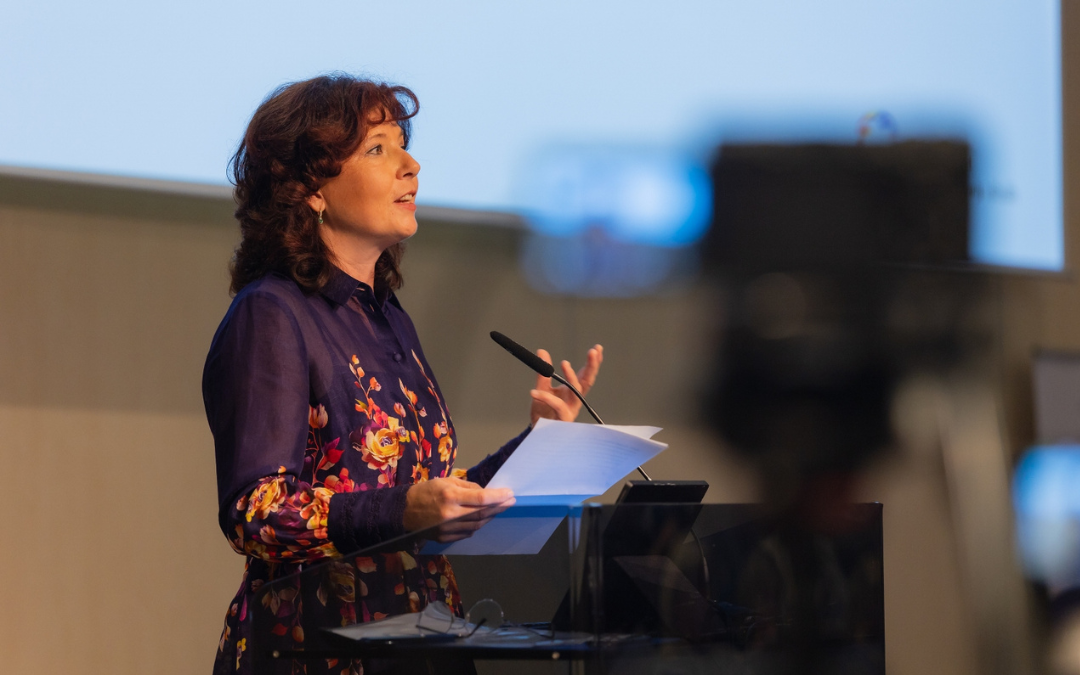
Professional and conscious educators are the foundation of adult education.
Dr Marta Gregorčič of the Institute of Macroeconomic Analysis and Development (IMAD) grounded us with insights from the Quality of Life in Slovenia – Development Report 2025. She focused on trends, aspirations and challenges in a time of radical global uncertainty. These included global climate and environmental trends, geopolitical instability, the erosion of democratic international structures, technological and cognitive societal transformation and socioeconomic insecurities. She cautioned: “Maintaining mental health under all these pressures is becoming a megatrend of the 21st century.”
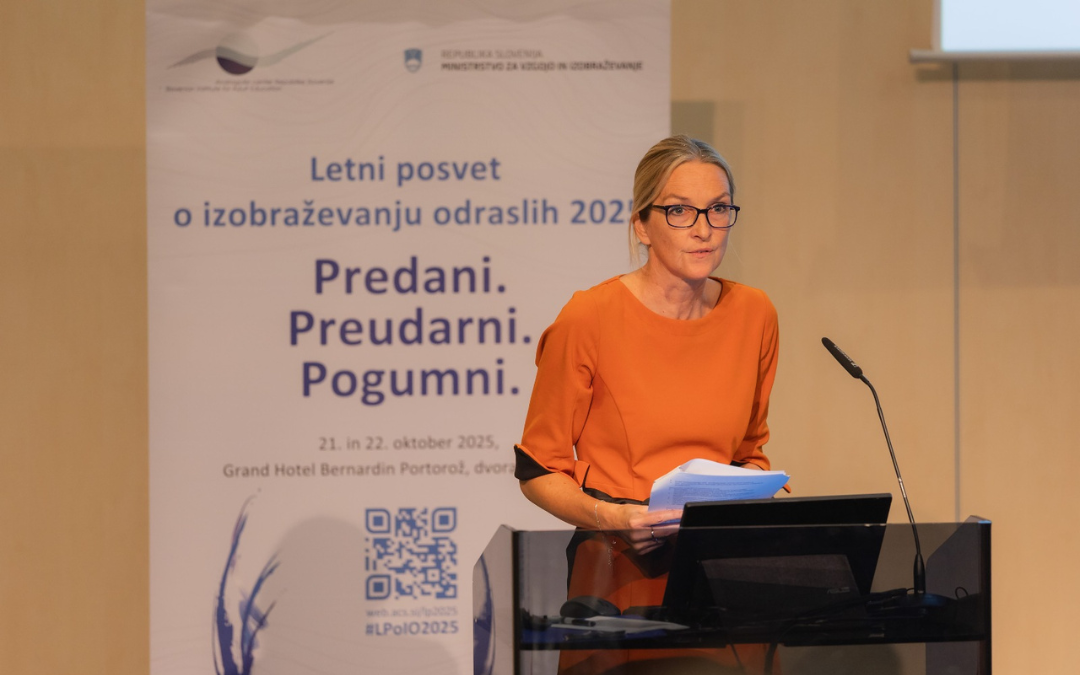
We devoted considerable attention to the interim evaluation of the ReAEMP 2022–2030 implementation
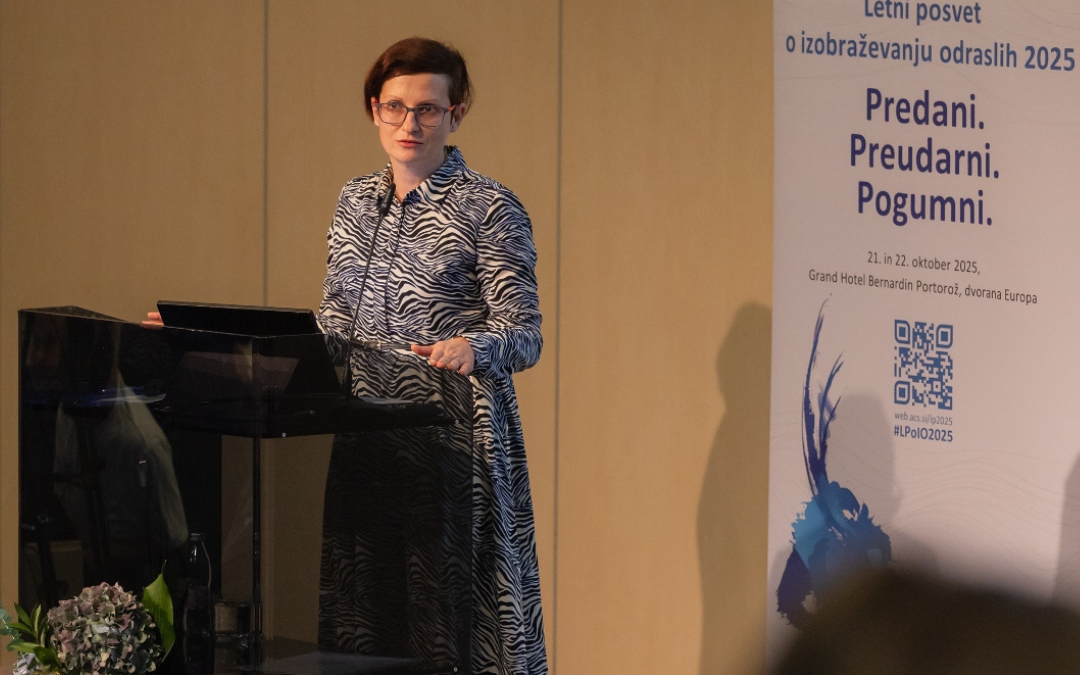
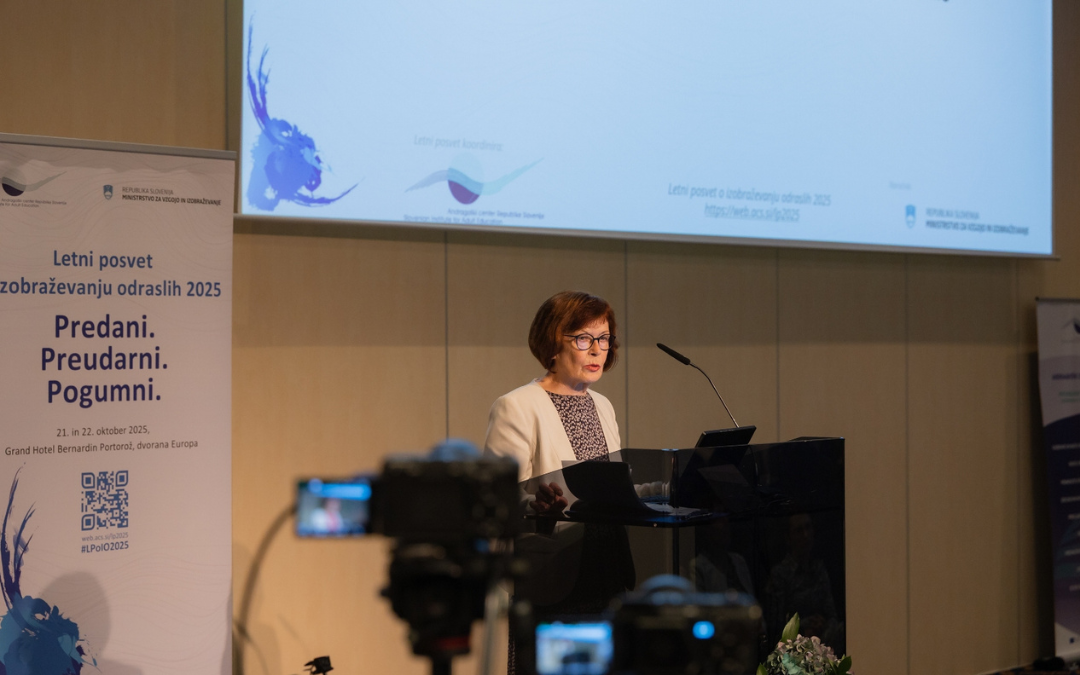
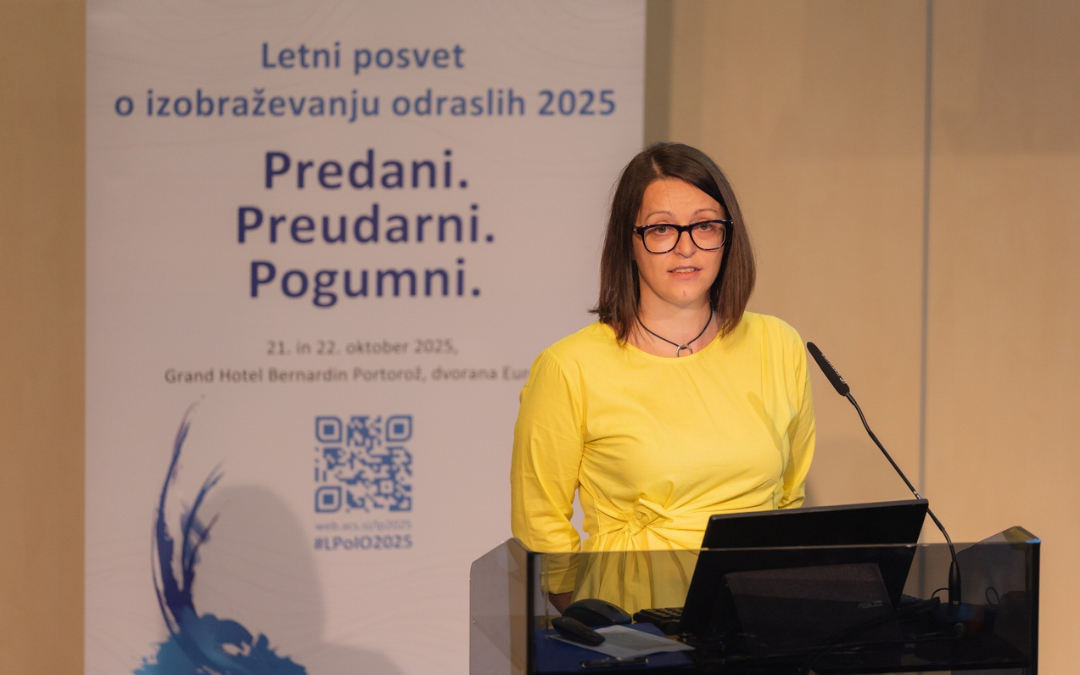
We discussed this topic in the plenary sessions and in working groups. Three speakers prepared us for the latter. Teja Dolgan of the ME highlighted the importance of evaluation, emphasising that it should answer questions such as whether the goals are being achieved, whether the measures are adequate, and whether they are being implemented as planned. She stressed: “The interim evaluation of the ReAEMP 2022–2030 is not just an administrative task but a strategic tool for improving the adult education system.”
Dr Sonja Kump presented the ALE Expert Council’s position on the implementation and monitoring of this strategy. Drawing on the annual reports, she praised the authors for making them more transparent and better structured in recent years. She put forward proposals to improve the implementation of the ReAEMP 2022–2030, along with initiatives for more effective, substantively in-depth monitoring and reporting. In her view: “To monitor the implementation of the ReAEMP 2022–2030, more research and evaluations should be carried out.”
Martina Tekavec Bembič, MSc, explained the course of the process, which will begin soon and continue into next year. She invited the ALE community to get involved and announced an online survey, focus groups, institutional data collection and other approaches to gather data and viewpoints. She assured us: “Evaluation is not just a formality – it is an opportunity for improvement.”

We designed the working groups around the three priority areas of the ReAEMP 2022–2030: general non-formal adult education, education leading to qualifications, and vocational training and continuing professional development for work-related needs. We examined the themes from several perspectives: measures, indicators, support activities (the fifth priority area) and target groups. The coordinators of the groups, Martina Tekavec Bembič, MSc, Tanja Vilič Klenovšek, MSc, and the author of this article, planned the work and, with the support of representatives of the SIAE and other organisations, each carried it out in her own way. All the groups shared several introductory presentations, which you can view on our website (in Slovenian). We want to take this opportunity to thank all the speakers for their committed contribution to the event.
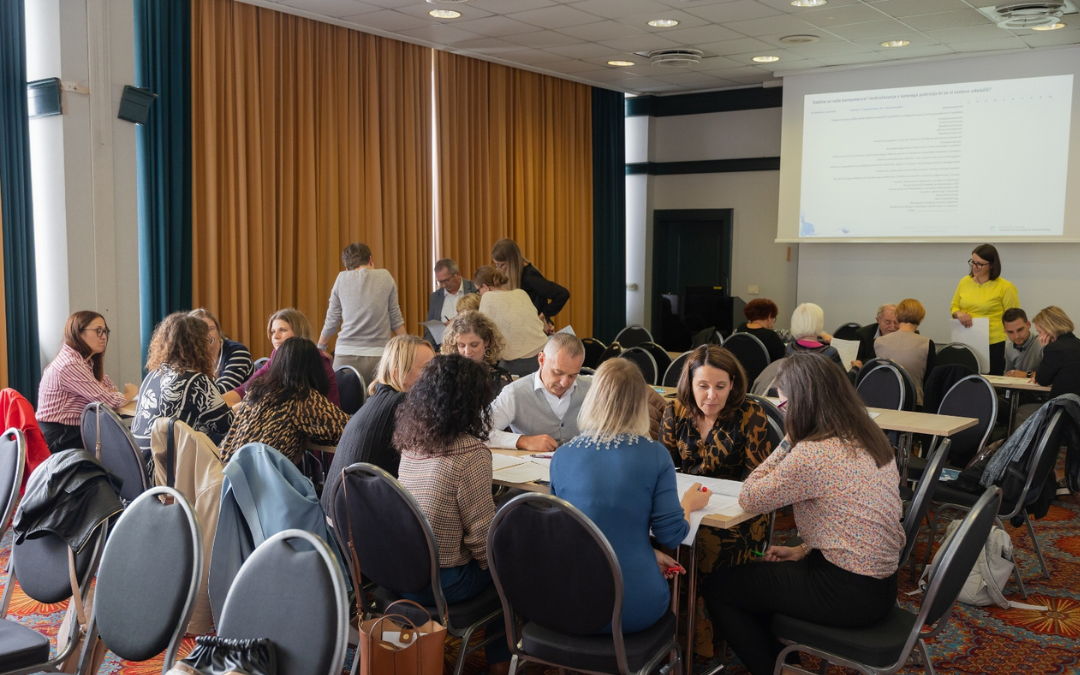
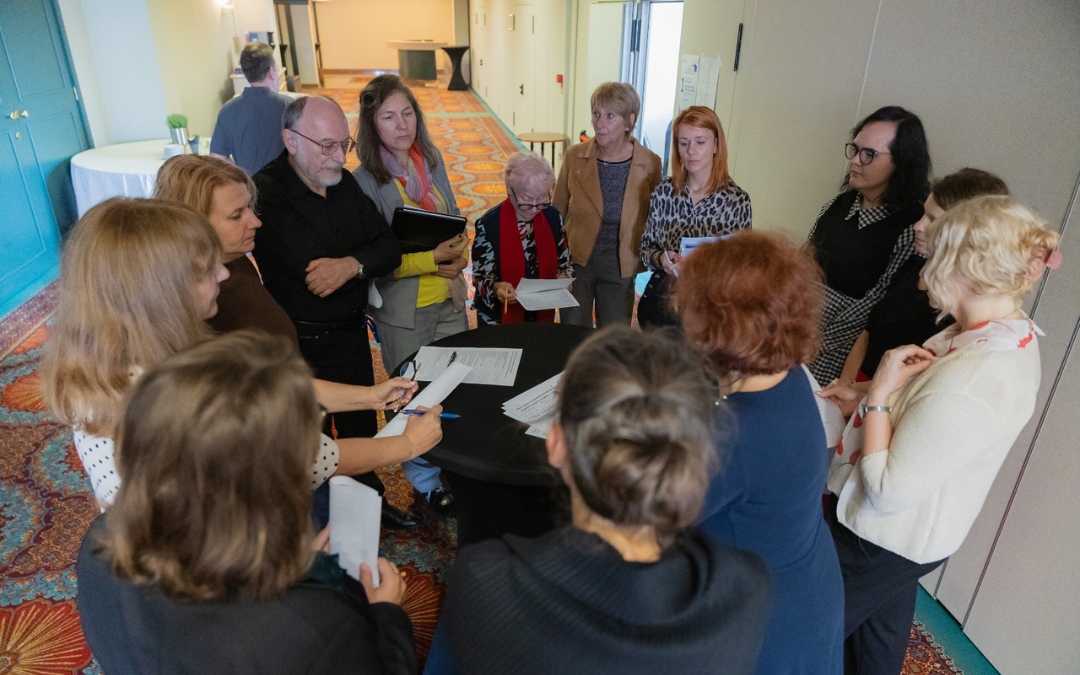
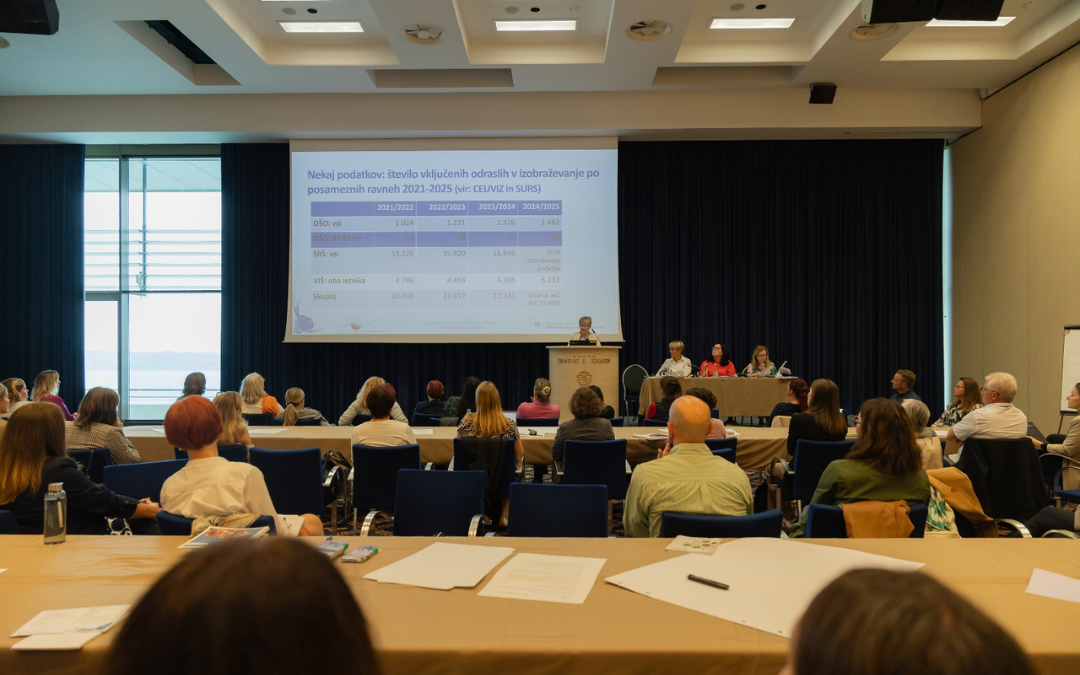

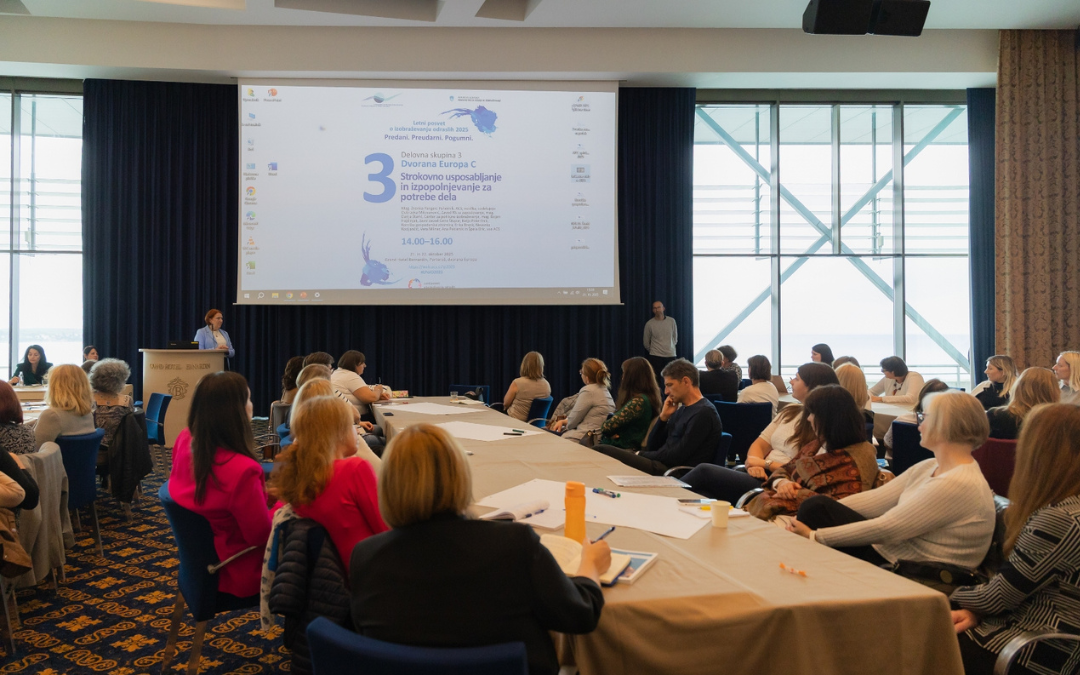
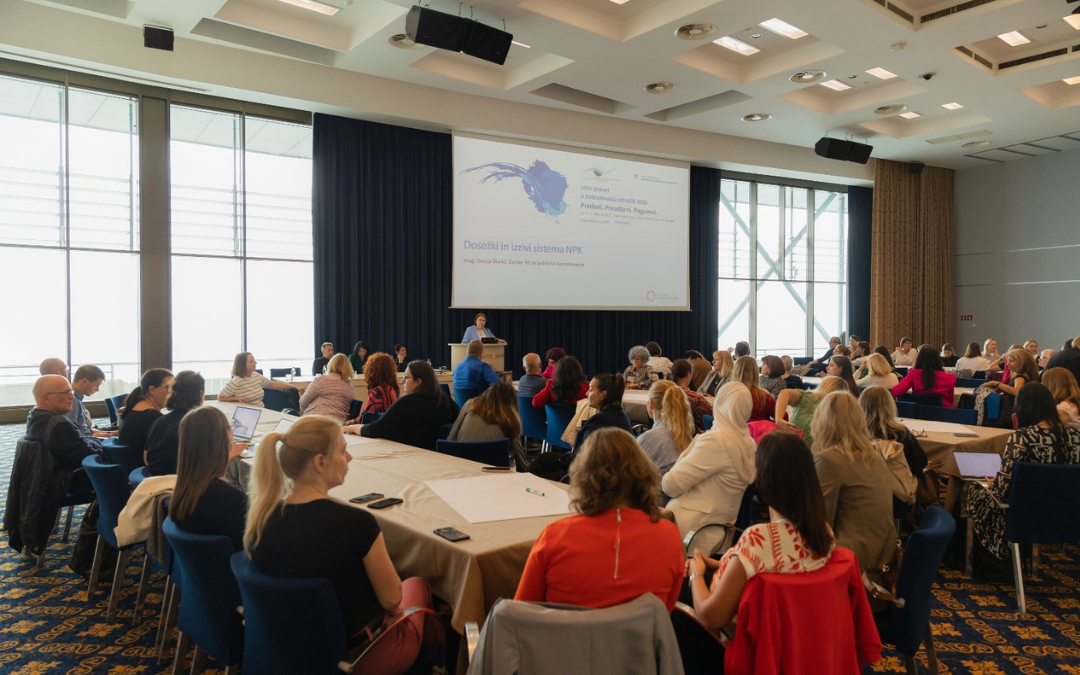
Unfortunately, we were unable to record the sessions that took place in the three halls. However, the challenges and initiatives presented during the final plenary session can be viewed.
We opened the second day in a festive spirit with a celebration of Dr Zoran Jelenc’s 90th birthday
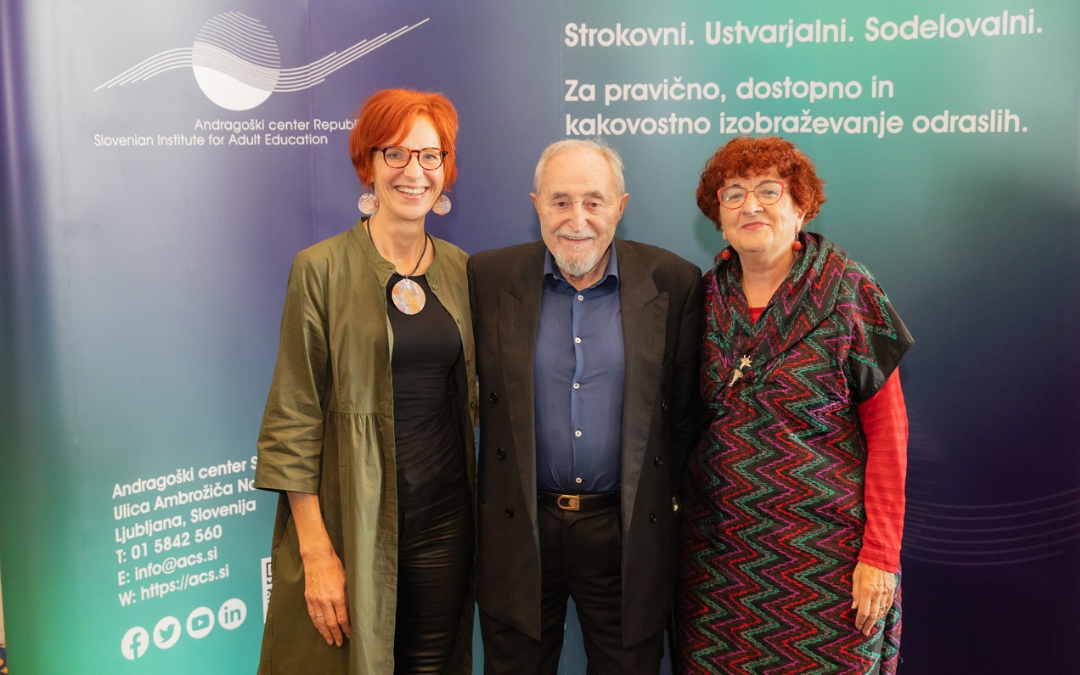
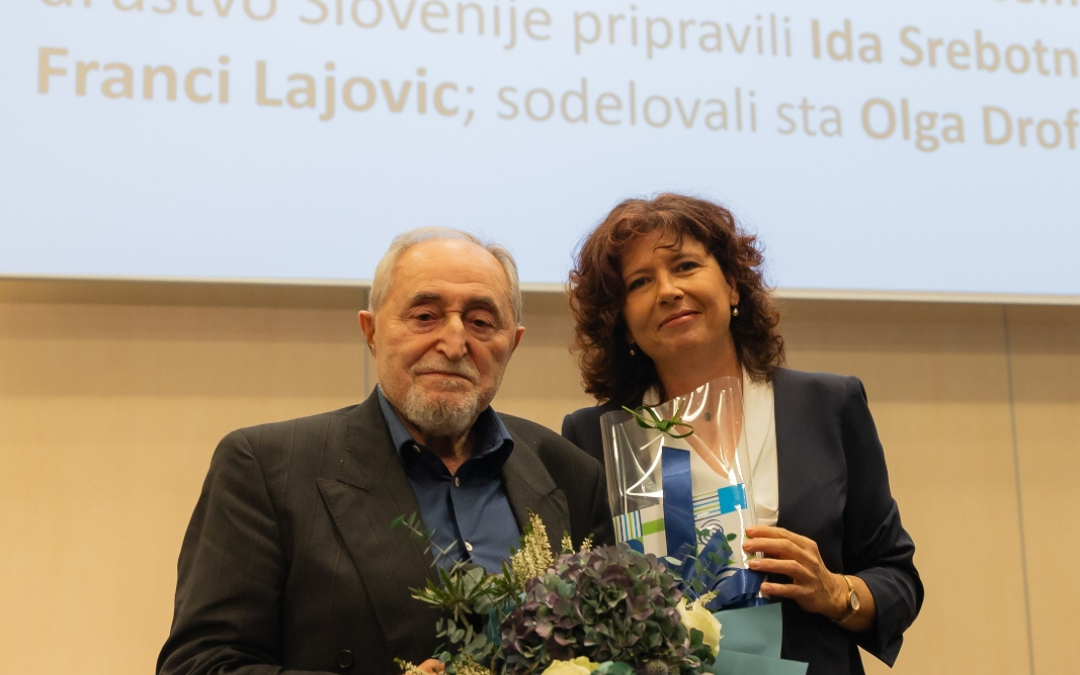
Zoran, the first director of the SIAE and a leading advocate of a culture of lifelong learning, remains a very sharp conversational partner at this age. Throughout his life, he has faithfully embodied the principles of this year’s conference – he is dedicated, thoughtful and courageous. He spoke about all this with Ida Srebotnik from the Slovenian Adult Education Association (SAEA). At the event, we watched a shorter version of the interview, and a longer one is now available on the website. A standing ovation followed the screening of the video. The Director of the SIAE paid tribute to Dr Jelenc and, together with Dr Tanja Možina, presented him with the new publication Temelji andragogike (Foundations of Andragogy). He, in turn, shared his reflections on our work and offered suggestions for how we could be even more impactful (short interview / full interview).
The SIAE is quite different from similar institutions abroad. It also encompasses development and research projects, which allows our ideas to take root more fully. What it is doing now goes beyond the vision we had when it was founded.
This was followed by a presentation of development projects, funded mainly by the European Social Fund under the European Cohesion Policy. The projects Strengthening Lifelong Learning: Development Projects for the Future of Knowledge and Awareness-raising for Lifelong Learning: From Words to Action – Together for a Better Learning Culture were presented with great enthusiasm by Jasmina Poličnik and Urška Bittner Pipan, MSc, of the SIAE. Both faced the demanding task of conveying, in a relatively short time, the complexity of the efforts in both areas.
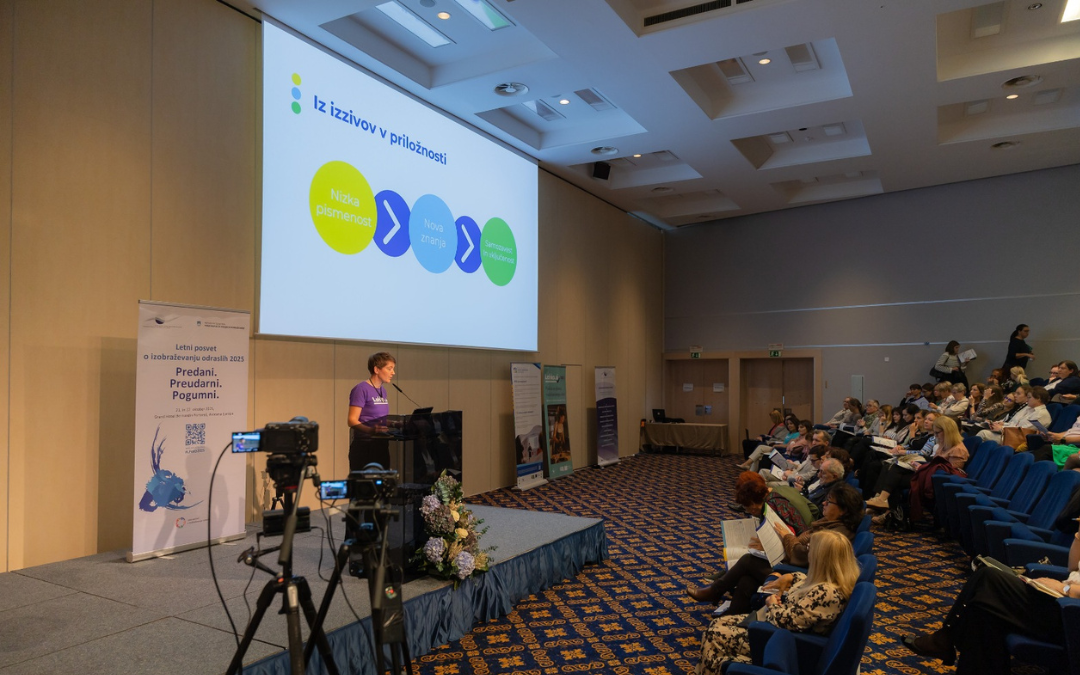

Poličnik highlighted the shared identity of a connected network of professionals and the efforts to ensure the quality of ALE. She touched on the development of training and continuing professional development programmes, emphasising modern approaches and didactics, and underlined the importance of guidance services and sustainability. She rounded off her contribution with the saying: “When adults are given an opportunity to learn, they are given an opportunity for life.”
Bittner Pipan presented the core team (from the SIAE) and the wider team (regional coordinators and their networks, organisers of thematic events and contracted agencies), all working to increase participation in lifelong learning. She outlined the indicators and the achievements of the first year, resulting in significantly increased media coverage and engaging the broader public. She spoke about the many challenges they face in their work, with administrative ones indeed being the least welcome. Instead of a conclusion, she issued an appeal: “Let us do something for ourselves and for our organisations, let us actively join the movement for lifelong learning.”
Research findings lay the foundations and give meaning to development projects
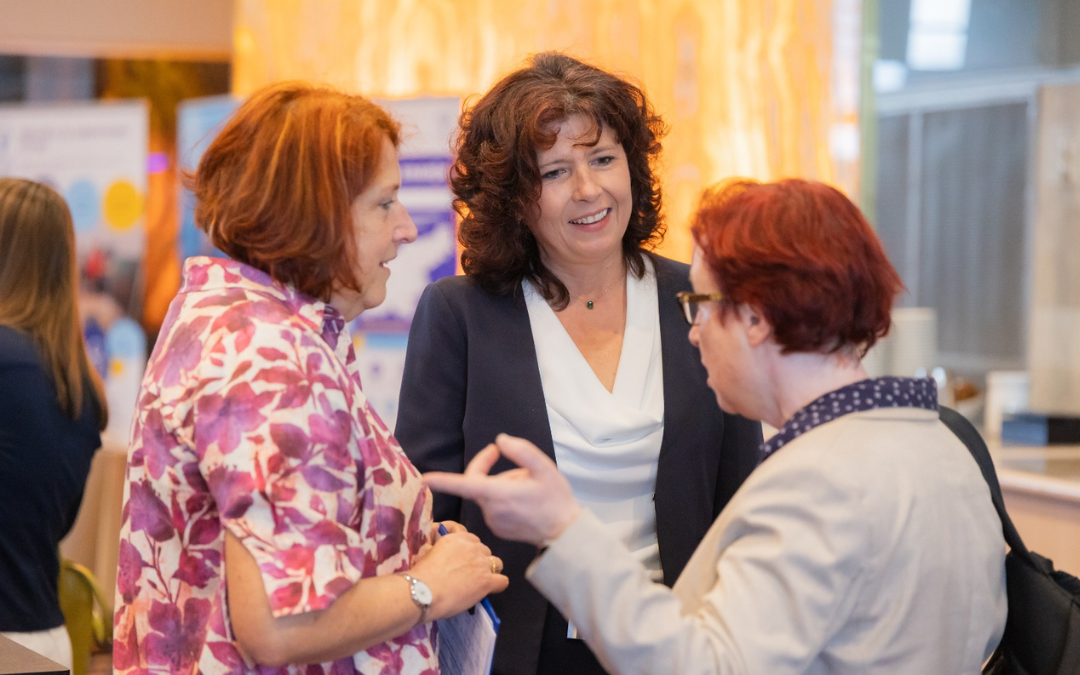
A representative of ARHEA, Meta Arh, MSc, presented the current level of awareness of lifelong learning. Through the lens of five population segments aged 15–75, she showed us who we are addressing or should be addressing. She also talked about where adults receive or seek information about learning opportunities and other interesting aspects. The purpose of the survey, conducted on a sample of 1,001 people, is to prepare Guidelines for Awareness-raising for Lifelong Learning – linked to the project but not limited to it. Arh concluded: “The results of the survey can help in planning more targeted and successful activities – for the SIAE, adult educators practitioners and others.”
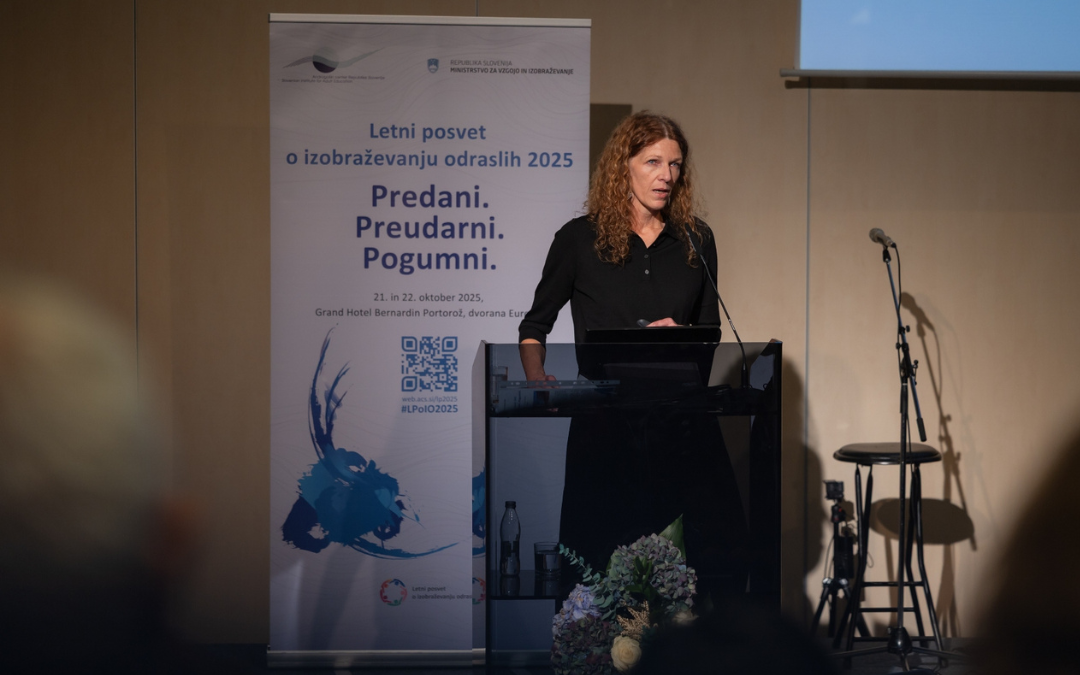
The two guest institutions, which are likewise active in the field of (adult) education, were, as is traditional, CMEPIUS and the Institute of the Republic of Slovenia for Vocational Education and Training.
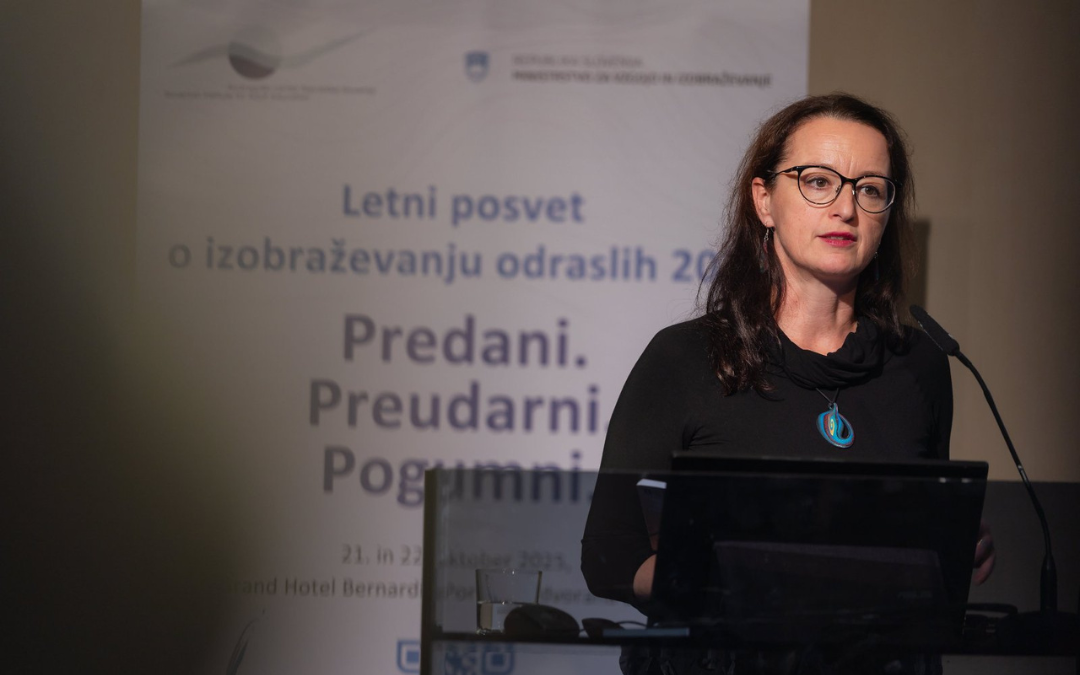
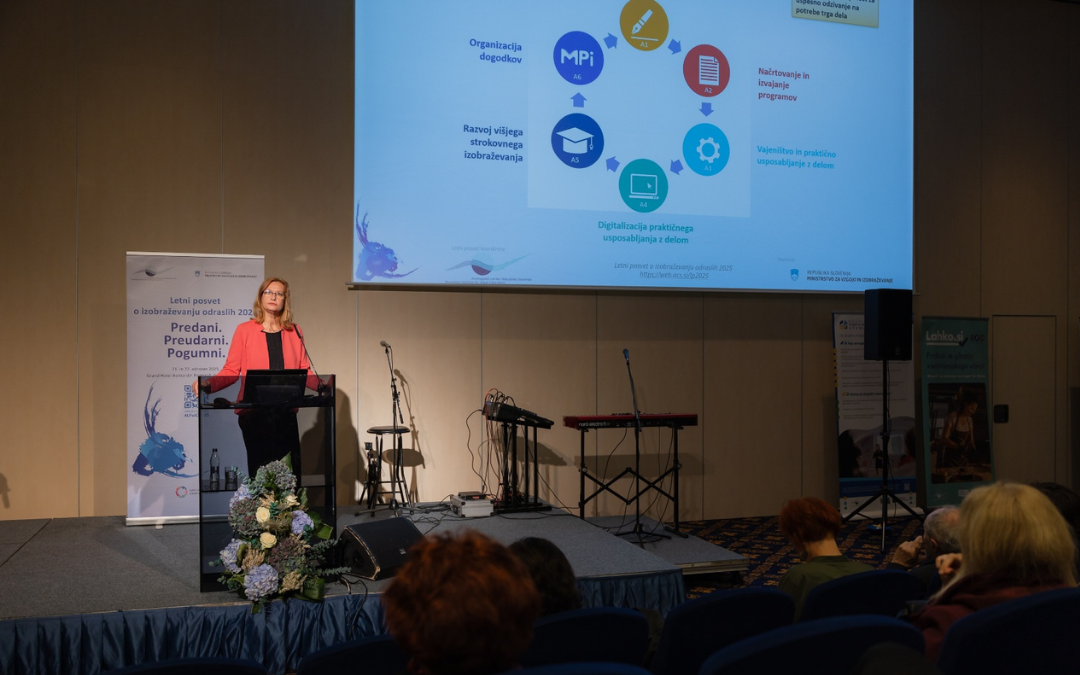
Ana Stanovnik Perčič, of CMEPIUS, spoke about the EPALE platform. This year, it is celebrating its tenth anniversary, and many excellent stories have unfolded there (video). The platform has helped to stimulate more intensive cooperation in the South-East European region, where a regional conference is held annually. This year, it took place in September in Bled, Slovenia. The final part of Ana’s contribution focused on the links between EPALE and the Erasmus+ programme, which is currently gaining new financial and substantive foundations through the new Multiannual Financial Framework.
Helena Žnidarič of the Institute of the Republic of Slovenia for Vocational Education and Training outlined the progress being made in the renewal of upper secondary vocational and technical education, including apprenticeship, the renewal of higher vocational study programmes and the establishment of digitally supported learning posts for the period 2022–2026. “Many activities, both in development work and in the renewal of programmes, also address adult education,” she affirmed. Many of the objectives have already been achieved, and they are now very close to the finishing line.
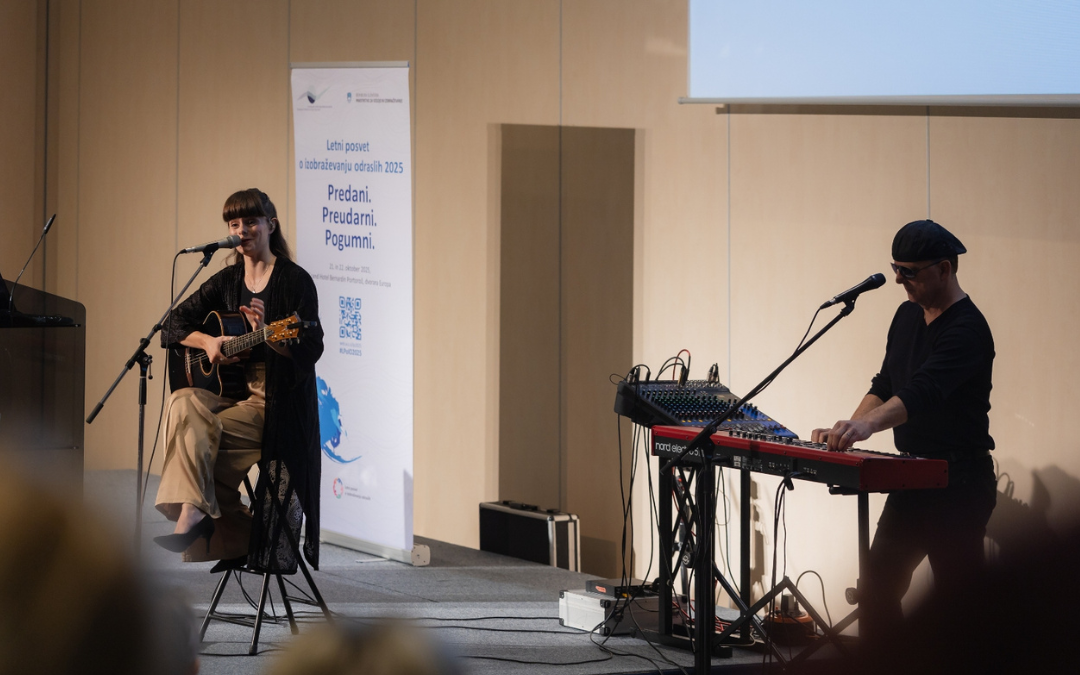
The conference concluded with an excellent musical performance by Ditka
Ditka, a singer-songwriter and composer from Carinthia (Slovenia), performed seven of her pieces together with her father, Gorazd Čepin. Many were musical settings of poems by Feri Lainšček, while others were the fruit of her own songwriting.

Next year’s Annual Conference will again be carefully prepared, with a focus on the needs of adult education and lifelong learning.
Zvonka Pangerc Pahernik, MSc (zvonka.pangerc@acs.si), edited by Ana Peklenik (ana.peklenik@acs.si), both SIAE
Photo: Črt Piksi